
Air Defense Performance Analysis: US, Israel, Russia, China
The Middle East is now engulfed in combat operations. Against this backdrop, moments emerge that allow viewing our war from a somewhat different angle and seeing certain details we inadvertently miss, including air defense performance. So, despite concentrating the most modern air defense/missile defense means, the US still misses not only missiles but also drones of towelheads¹. Yes, yesterday recorded a series of strikes on the US Navy base in Bahrain. Moreover, the strikes weren’t formal but quite combat-ready. Strikes hit the 5th Operational Fleet headquarters complex and one of the warehouses clearly storing ammunition. We already know well what secondary detonation of precisely such assets looks like and in this case, it was exactly such a spectacle.
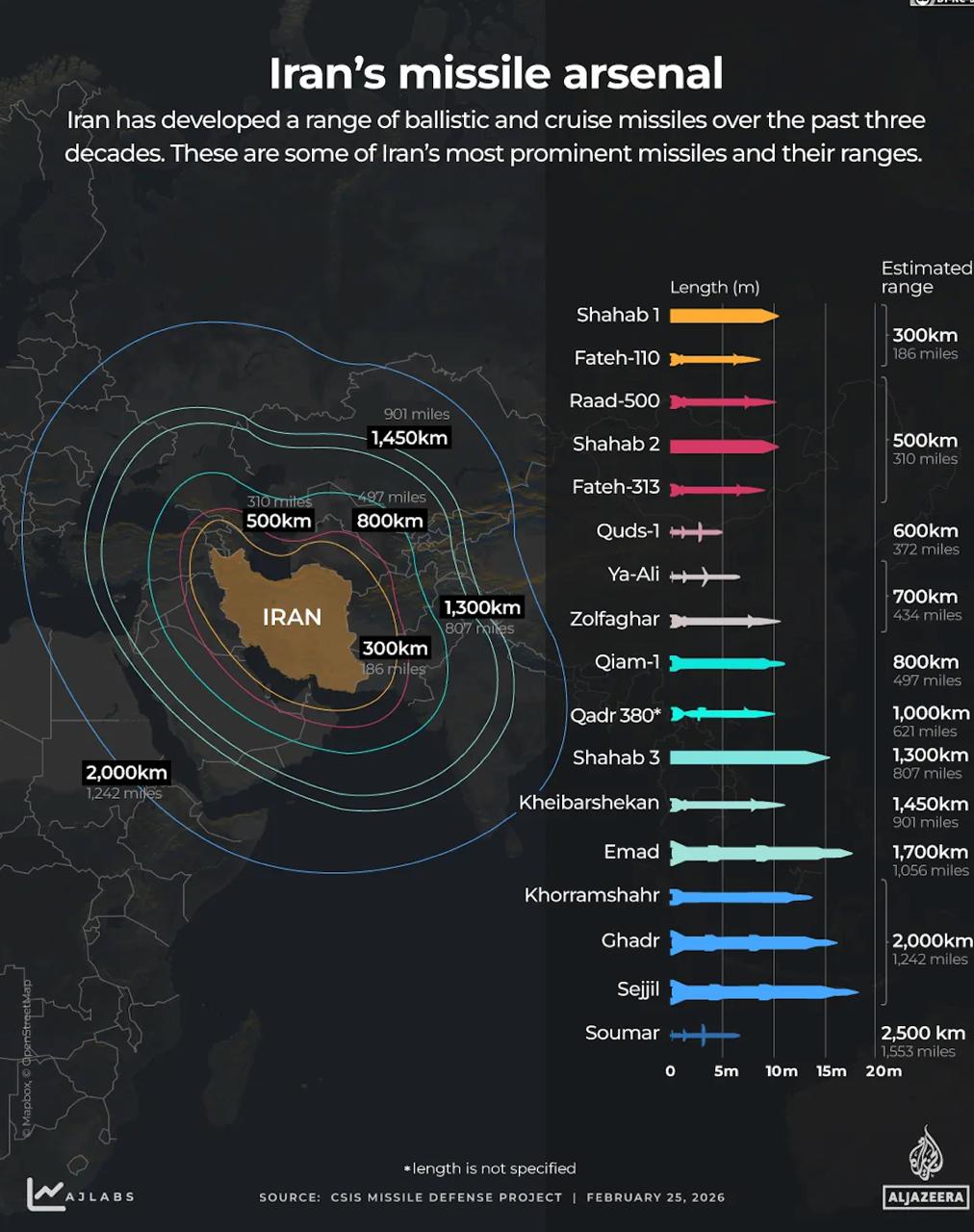
What’s important here: the base took numerous strikes. Initial reports suggested this was a massive drone attack. I won’t assert that specifically Shaheds unraveled the base this way, but most likely, part of the strikes came from drones. It turns out the Americans couldn’t reliably cover an object of unconditionally strategic significance, although they were obligated to do so. Because Iranian territory sits very close by, and Iran could use absolutely everything it has in its arsenal. It has almost a dozen and a half types of missiles:
When One Interceptor Misses, the Target Gets Through
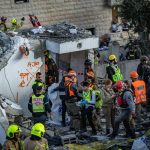
But probably more indicative is yesterday’s strike on Israel, where a missile hit a synagogue, killing nine people. Regarding this, the IDF gave quite an interesting and useful explanation for us. They said that only one interceptor launched against this specific missile, and it missed. The military states that they divided the entire country’s territory into sectors, each with its own air defense operation algorithm.
In this case, it concerns how many interceptors will launch against one ballistic missile. They defined this area as less important than others and therefore provided for a 1=1 formula. This means if the interceptor missed, the missile will be completely let through, because firing a second one after the first’s miss is already too late. Put simply, in certain locations two interceptors launch immediately. If the first strikes the target, the second interceptor simply switches to self-liquidation mode — and thus it’s lost in vain.
Obviously, Beit Shemesh, where the Iranian missile struck, wasn’t considered an area where the enemy would definitely hit. No military or administrative object whose defeat is most probable sits there. Therefore, the defense protocol provided for minimal ammunition expenditure. Most interesting here is this: the Israeli “Arrow-3” system would almost certainly have intercepted this target, but it was automatically allocated for defeat by a missile from another system.
American System Misses Iranian Ballistic
Easy to guess we’re talking about the American THAAD system, which was supposed to intercept the Iranian missile but didn’t intercept it. Result: harsh strike on a residential sector. As of Monday midday, it proved to be the most lethal. Local authorities state they established the identities of all nine dead, but allegedly people are still missing there.
Air defense performance analysis reveals uncomfortable truths: even Israelis and Americans must very restrainedly spend anti-missiles. For us this question stands significantly more acute. After all, you can fire for certain — two missiles per target, where one self-liquidates. But tomorrow you’re left without missiles at all and then everything flying — gets through.
Multiple Penetrations Despite Fleet Coverage
Returning to the Navy base in Bahrain, it should be noted that a large naval grouping concentrates in the operational area. Probably, coverage of fleet assets stood in highest priority mode. Enough to look at how many ships connected to conducting the operation:
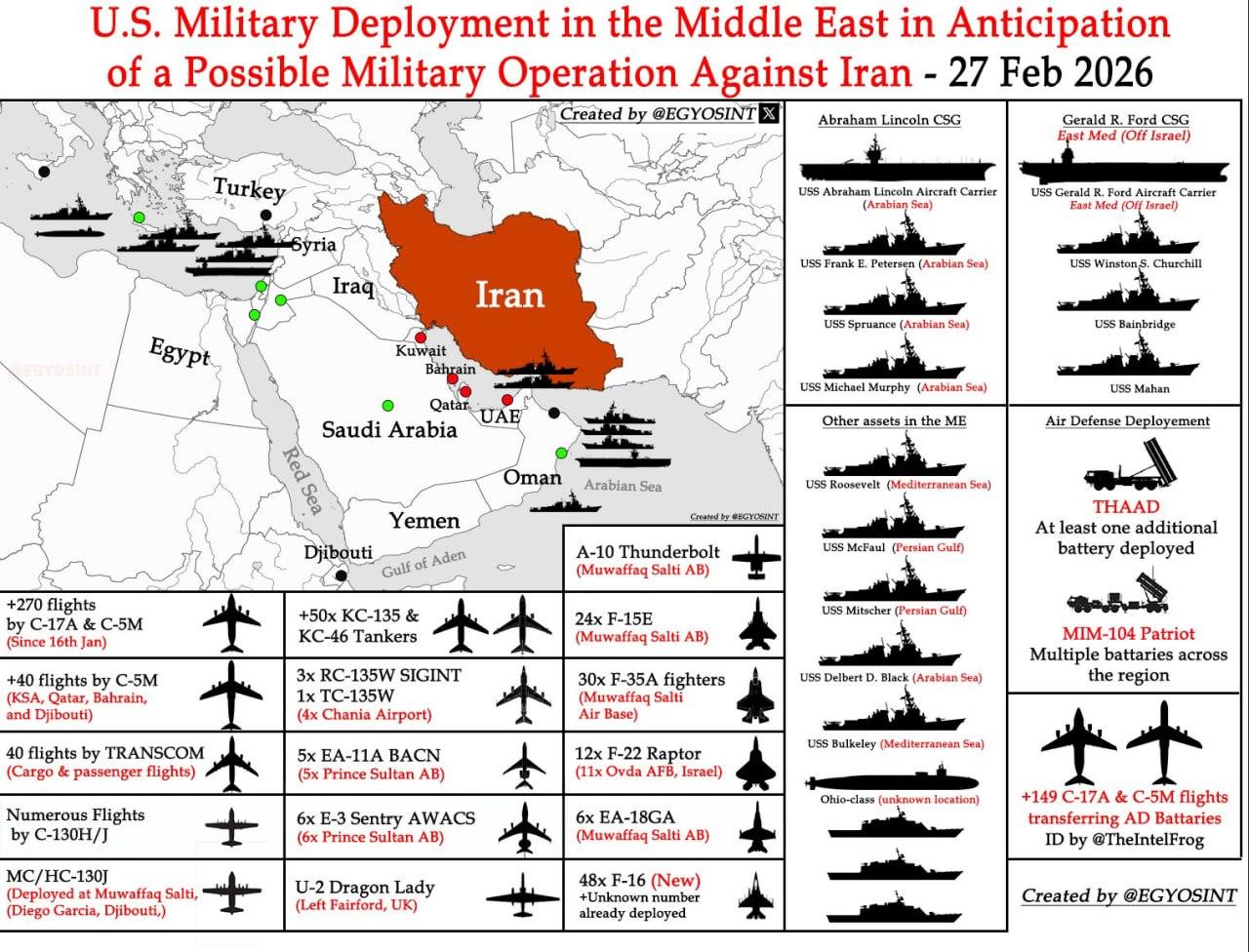
And still, quite many got through — both missiles and drones. Moreover, the towelheads used ballistics for the first time that suspiciously resembles the Russian “Oreshnik”. More precisely, the carrier could be one of those well-familiar ones, but the warhead turned out divisible, just like “Oreshnik”. Coincidence? I don’t think so. After all, this isn’t the first wave of massive ballistics application against Israel. But such warheads appeared only after “Oreshnik” became Pootin’s favorite topic.
Chinese HQ-9B Disaster
One more moment, now about Iranian — more precisely, Chinese — air defense. As known, the Orcs² delivered several air defense complexes to Iran from Crimea. But there were also supplies from China, specifically HQ-9B. This name means nothing to an ordinary person until its photo appears before their eyes.
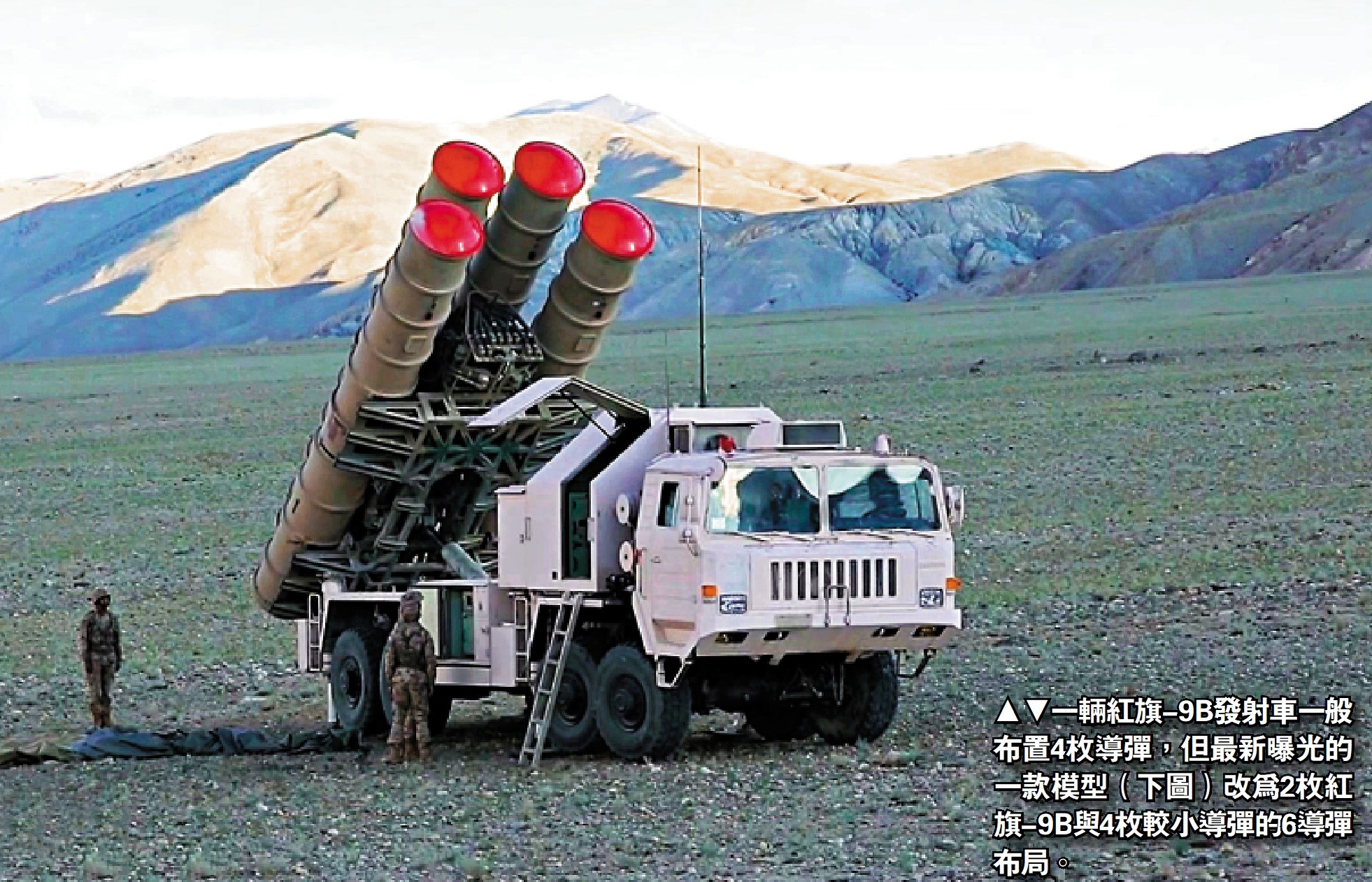
Here we recall that China bought the Orcs’ S-400 complex “to look at”, after which they replaced something there but left the concept original. With a light movement, S-400 “Triumph” turned to Chinese HQ-9B. So, in the first hour of the Iran attack, three divisions of Chinese wonder-technology were destroyed. It was also destroyed during the Venezuela attack. After such shameful defeat, only alternatively gifted patients can buy these systems.
Air Defense performance analysis shows patterns across theaters: no system guarantees absolute protection. Not American THAAD, not Israeli Arrow-3, not Russian S-400 or Chinese copies. The question isn’t perfection — it’s resource management, threat prioritization, and accepting that some missiles will always get through.
¹Towelhead – a derogatory term for supporters of Iran’s regime. Offensive? Yes. Context matters when the same people supply Shahed drones used to kill civilians.
²Orcs – a common term for Russians who support or participate in the armed aggression against Ukraine. Dehumanizing? Yes. Accurate? Also yes.
Related posts:

February 22 Massive Strike: Nearly 300 Drones & 50 Missiles
As of 10:00 AM, our Air Force reported on the February 22 massive strike — a combined attack the enemy executed on Ukrainian territory overnight. The enemy attacked [...]
February 7 Massive Strike: ruSSia’s Predictable Terror
We’ve repeatedly drawn attention to the fact that Orcs* reserved Friday night to Saturday for massive combined strikes on Ukraine. Therefore, everyone concerned should draw their own conclusions [...]