
Drone Strike on Oil Platform: New Phase Begins
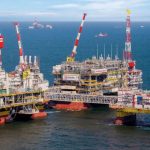
Today an event occurred that will be difficult to assess without context. Let’s try to understand precisely the second or even third layer of this new situation. For now, we’ll push off from the data published by our press and, most importantly, the enemy press, since our military hasn’t given official information. We’re talking about a drone strike on oil platform in the northern part of the Caspian Sea. Here’s what their press writes:
Ukraine has started attacking russian energy facilities not only for oil processing but also those engaged in extraction. Drones struck a Lukoil platform operating on the Caspian Sea shelf… Long-range drones struck the platform operating at the Filanovsky field at least four times. This is Lukoil’s largest oil field in the russian sector of the Caspian Sea. It has significant reserves (about 129 million tons of oil), extraction proceeds from several platforms, oil goes for export through the Caspian Pipeline Consortium. As a result of the attack, extraction stopped at more than 20 wells of the field.
The Systematic Campaign
Now let’s look at this event as one of the links in a large-scale operation to shut down russian oil and gas exports. The very first strikes hit large enemy state reserve fuel storage facilities. As we remember, fires raged there for a week and more, burning fuel and destroying the tanks themselves needed for its storage.
Then the focus of strikes shifted to oil refineries. These strikes have already reached maximum efficiency. If earlier we read messages about a specific refinery reducing petroleum product output after a drone attack, now they write that the plant stopped receiving oil for processing. This is how they camouflage complete plant shutdown.
Then strikes went to oil pipelines, namely to their pumping stations — the most vulnerable and expensive part of any pipeline. Next — it flew to fuel loading sites: oil, petroleum products, and liquefied gas. Novorossiysk, Tuapse, and now Temryuk are aware. And now the hunt for tankers has begun.
Hunting the Shadow Fleet
Yesterday, the SBU released video filmed by onboard cameras of BEKs¹ attacking the enemy shadow fleet tanker Dashan. The vessel moved to Novorossiysk port under the flag of the Comoros Islands. At the moment of attack, it was in Ukraine’s exclusive economic zone. We don’t know what country’s citizens constitute its crew, but most likely there were Orcs² there who understood whose waters they were in. The transponder, which should be turned on on any commercial vessel, didn’t work. In other words, the captain knew what he was doing and why he was turning off identification equipment.
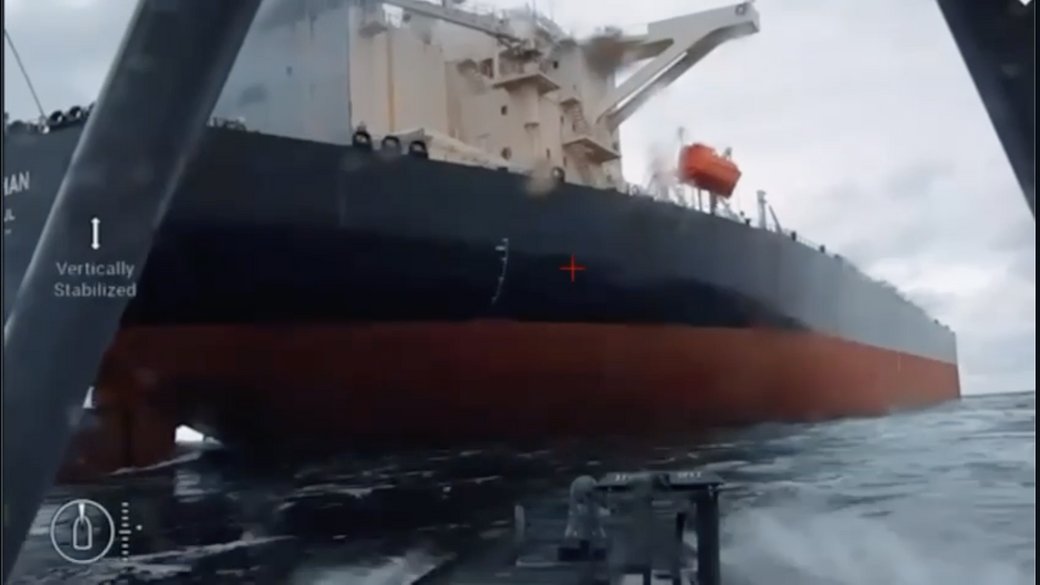
Attack began in our exclusive economic zone along the Crimean coast. From any point of view, such vessels can be considered violators against whom weapons get applied. These are our waters. A vessel entered them without our permission. That’s all. No questions and no indignation.
The Pattern Emerges
When you line up these events on a timeline, you can assess not only the path already traveled but also the possible direction of movement. And in this case, we can only talk about extraction capacities. We waited, hoping that one wonderful morning we’d read a news that good birds visited gas wells in the Nadym, Urengoy, or Yamal area.
So far there haven’t been such arrivals. But today’s drone strike on oil platform indicates that enemy extraction capacities have already been put in the targets bank. Now Orcs have a field for fantasy about where it will fly next time. After all, it’s long been known that our drones already easily cover distances of 1000+ kilometers. Missiles have already received comparable range. So the situation changes radically, since the entire chain of the enemy’s oil industry is already being put under strike — from oil extraction at the field to product transportation by tankers.
¹BEK – (Ukrainian abbreviation for “БезЕкіпажний Катер”, БЕК, literally “uncrewed boat”). A Ukrainian surface naval drone used primarily for reconnaissance and strike operations.
²Orcs – a common term for Russians who support or participate in the armed aggression against Ukraine. Dehumanizing? Yes. Accurate? Also yes.
Related posts:

Ukraine answers the February 17 strike: Refineries & Plants Hit
Today brought a rare — perhaps unique — event connected not just to Ukrainian air defense work, but to an adequate response to the enemy. Ukraine answers the [...]
Ukraine Has Resumed Deep Strikes: Arsenal, Oil, and Military Plant
It seems that Ukraine has resumed deep strikes. TToday there was news that the good birds are visiting enemy arsenals, oil refineries and military facilities. But let’s get [...]