
Russian Peacekeepers in Karabakh Are Party to the Conflict
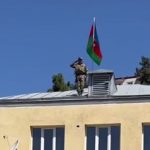
August became the month of liberation of the city of Lachin and transition of the “Lachin Corridor” under Azerbaijani troops’ control. This road connects the remnants of Armenian-occupied Karabakh territory. As a result, Azerbaijani troops returned another part of occupied territory. But here what matters isn’t so much why, but when this happened. The role of Russian peacekeepers in Karabakh turned out to be far from neutral — they actively facilitated Armenian occupation.
Almost two years have passed since the end of the 44-day war. According to the terms of capitulation that Armenia signed, combat operations stopped so Armenians would gradually leave Karabakh. Azerbaijani military could have liberated it by force by the end of autumn 2020.
The Armenian occupation army, though not yet finally defeated, was definitely demoralized. It suffered crushing losses in main types of weapons — armored vehicles and air defense. But most importantly, Azerbaijani troops managed to enter the rear of fortified areas. Armenians built these on commanding heights during three decades of occupation. Azerbaijanis managed to do approximately what the Wehrmacht did with the French Maginot Line.
The Capitulation That Wasn’t
They bypassed it and came out in the Armenian troops’ rear. Considering how effectively they cut out the enemy’s air defense, there was no doubt. From the air, they could methodically destroy remaining resistance nodes. Either capture the remnants of Armenian troops or completely destroy them.
Precisely in such circumstances, Armenians capitulated on the condition that exit from Karabakh would happen gradually. Under the mediation of russian troops, both sides gave them the status of “peacekeeping forces”. In the end, the situation developed this way.
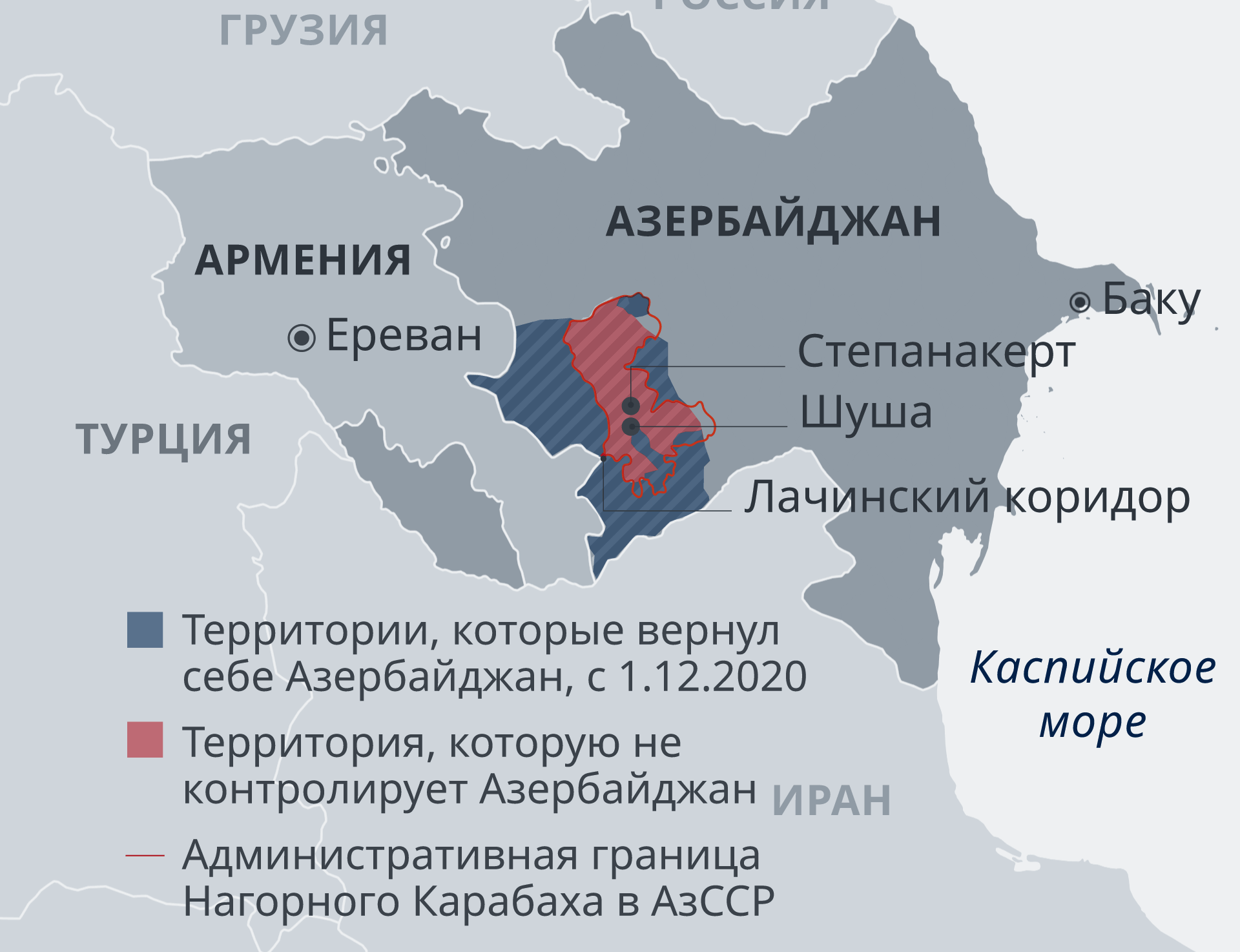
During the signing of capitulation, they agreed that a new road would be built for these purposes, away from Lachin. Azerbaijan should have built 25 km and Armenia — 10 km. This decision allowed restoring Azerbaijan’s sovereignty both over this city itself and over surrounding settlements.
Azerbaijan built its section of the road long ago. As should have been expected, Armenians didn’t even begin designing their section. Obviously, they didn’t plan to leave either Lachin or the occupied part of Karabakh. They decided to gradually rebuild defenses, hiding behind russian bayonets. But since russians controlled the road to Armenia, this was only possible with their consent and their help. Gradually this is how it happened. In the end, this led to Armenians shelling Azerbaijani military. This became the pretext for forceful seizure of Lachin.
Russian “Peacekeepers”: The Evidence
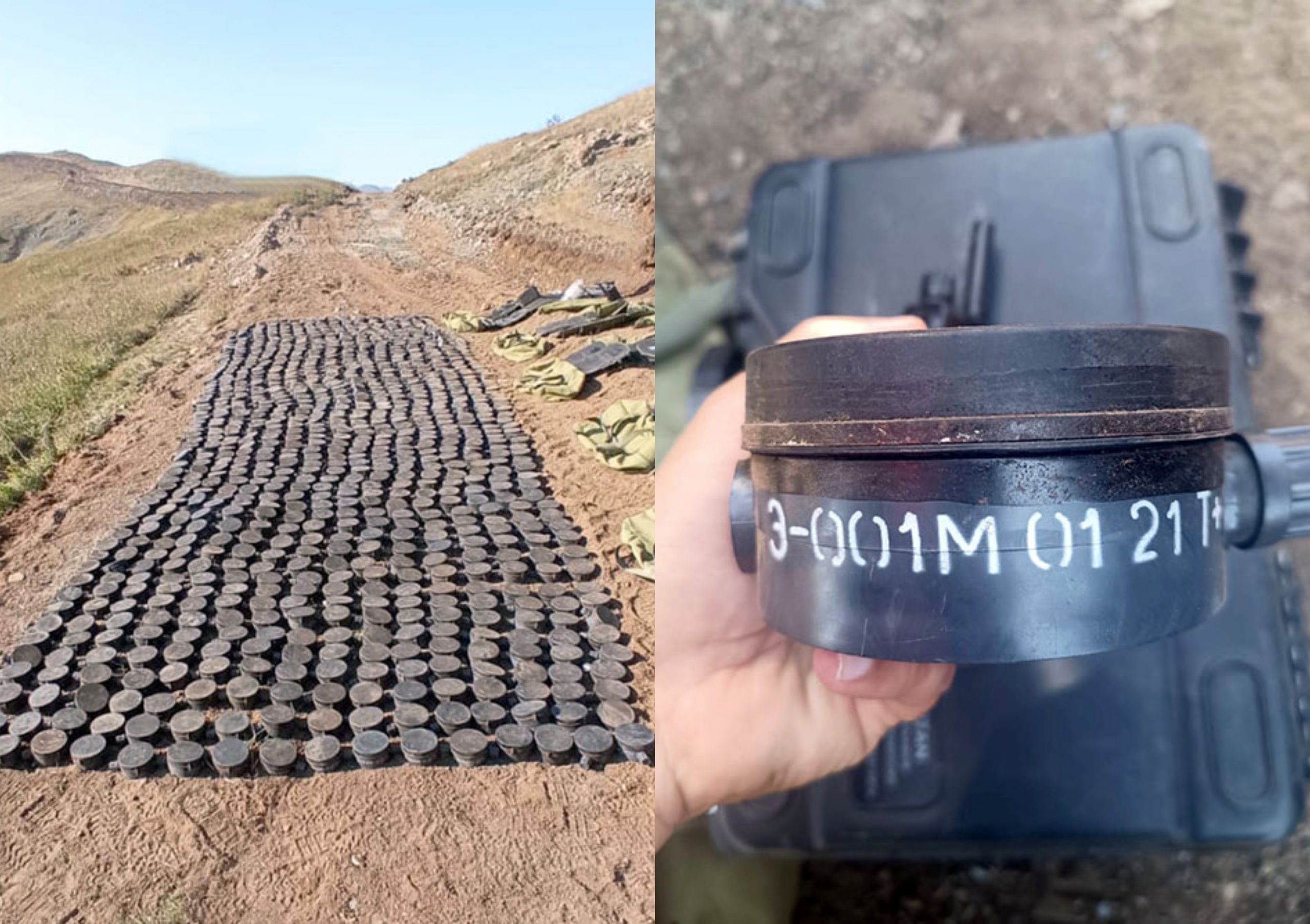
Now so-called russian “peacekeepers” are leaving from there. Azerbaijan’s military received into their hands part of new defensive structures. Armenians created these over these two years. Notably, they habitually covered them with minefields. But this time these were mines of russian production. Their factory marking indicates the date of their production — 2021. This is all you need to know about Russian peacekeepers in Karabakh and their true role in the conflict.
From this you can draw a simple conclusion. If Armenians in two years still didn’t leave Karabakh on their own, they don’t intend to do this in the future either. This means Azerbaijani military will have to liberate the remaining part of occupied territory by force of arms.
As we know, 30 years of long and tedious negotiations between Azerbaijan and Armenia with moscow’s mediation gave no positive results. Moreover, during this time there were several bloody escalations of hostilities. All the time of negotiations, Armenians built a continuous line of fortified areas on the edge of Karabakh’s mountainous terrain. Where the landscape transitions to plains. That is, they equipped commanding heights so Azerbaijanis would be forced to attack from bottom to top. There already was echeloned defense with reinforced concrete fortifications dug into rocks. All these years Armenians hauled weapons, ammunition, and everything else there.
Plus, Armenians carried out continuous mining of huge front sections. We haven’t yet encountered data on the number of just neutralized mines. But you can already talk about tens, if not hundreds of thousands of mines. And note, not one mine, not one shell, not one cartridge was produced in Armenia itself. All this has markings of russian factories. That is, the country that then acted in the role of “peacekeeper”.
Thirty Years of Futile Negotiations
Overall, in these 30 years negotiations didn’t give Azerbaijan a single square meter of returned territories. Instead — constant shelling of its main territory. Also Armenian raids to bring problems to oil and gas pipes going from Azerbaijan through Georgia to Turkey. Only the powerful forceful operation of 2020 finally broke the situation. Only then were almost all lands outside Karabakh and its significant part liberated. And then — the forceful operation stopped so Armenians would leave Karabakh. But as you can see, they weren’t going to leave anywhere. They gradually accumulated forces to continue the war.
And the recent “Retribution” operation led to Azerbaijan itself, by force, returning Lachin. They expelled “peacekeepers” from the Lachin corridor. The conclusion suggests itself. Any negotiations, ceasefire regimes, truces, and so on — russians themselves or their satellites will definitely use not to leave and end the conflict. But to gather forces to continue it.
Therefore, any negotiations and agreements with them are counterproductive in principle. Until the last square meter of your territory is liberated by force of arms. Only in this case can you negotiate about reparations and so on, but not a second earlier. Even more negative is the desire to negotiate when you manage to develop a successful offensive. At such a moment, the enemy will insist on ceasefire and negotiations.
The Lesson: No Negotiations Until Complete Liberation
Once again — no negotiations until the moment the last occupier is destroyed or expelled from occupied territory. Until this moment, you can’t conduct any negotiations. Because ruSSia views them as a tactical element of conducting hostilities. Namely — as a means of slowing down the offensive conducted for deoccupation of territory.
Let’s just think about what Armenians are doing. They took advantage of the fact that Azerbaijan magnanimously allowed withdrawing 25,000 remaining surrounded Armenian military. So as not to cut them all down. Not to make their wives widows and their children orphans. The motives of Azerbaijan President Aliyev are clear – he looks further, already beyond the day when it will be possible to fully restore sovereignty over Karabakh. His speech in liberated Lachin speaks to this.
In particular, he addressed Armenians who wish to remain in Karabakh. He told them that if they’re going to remain living on Azerbaijan’s territory, they’ll have rights and obligations identical to those other citizens of the country have. Without special statuses, autonomies, and so on. Simply put, he clearly articulated to them: you want to live — live. But no one will allow you to play at separatism anymore.
From here it follows that everywhere “where russian world” exists, you should act without stops for negotiations and ceasefire. The enemy must only be expelled and finished off. For Ukraine, there’s no longer the boundary before which Azerbaijan stopped. After everything the occupier did on our land, he’s subject to maximum destruction. Even his flight beyond Ukraine’s borders isn’t the best option. There he’ll definitely prepare for a new war. Therefore, destroying the enemy is the foremost goal. Well, and further — everything will depend on his sprinting abilities and physical ability to escape.
Overall, you should clearly understand for yourself that you should conduct negotiations only after complete liberation of our territory. The subject of negotiations can be the return of our prisoners, reparations, extradition of war criminals, and similar things. Remember, russians never themselves go to negotiations when confident of their success. Conversely, they always rush to negotiations when they understand they’re close to defeat. Therefore, there’s no point in negotiations in principle. Russian peacekeepers in Karabakh demonstrated perfectly that moscow’s “mediation” always serves russian imperial interests — the lesson Ukraine must never forget.
Related posts:

Maduro Is Captured: Four Months of Prep, One Night of Action
Now that Maduro is captured and in the United States, we can analyze the preparation and execution of the operation. Right away, let’s note what we won’t be [...]
Polish Court Sparks Burn Among Kremlin Agents in Hungary
Earlier, we already wrote that the Warsaw District Court rejected the request to extradite Ukrainian citizen Volodymyr Zhuravlov. German authorities accepted Judge Lubowski’s conclusions in a civilized manner. [...]