
Russian Torture in Kherson: Beatings, Electric Shocks and Rape
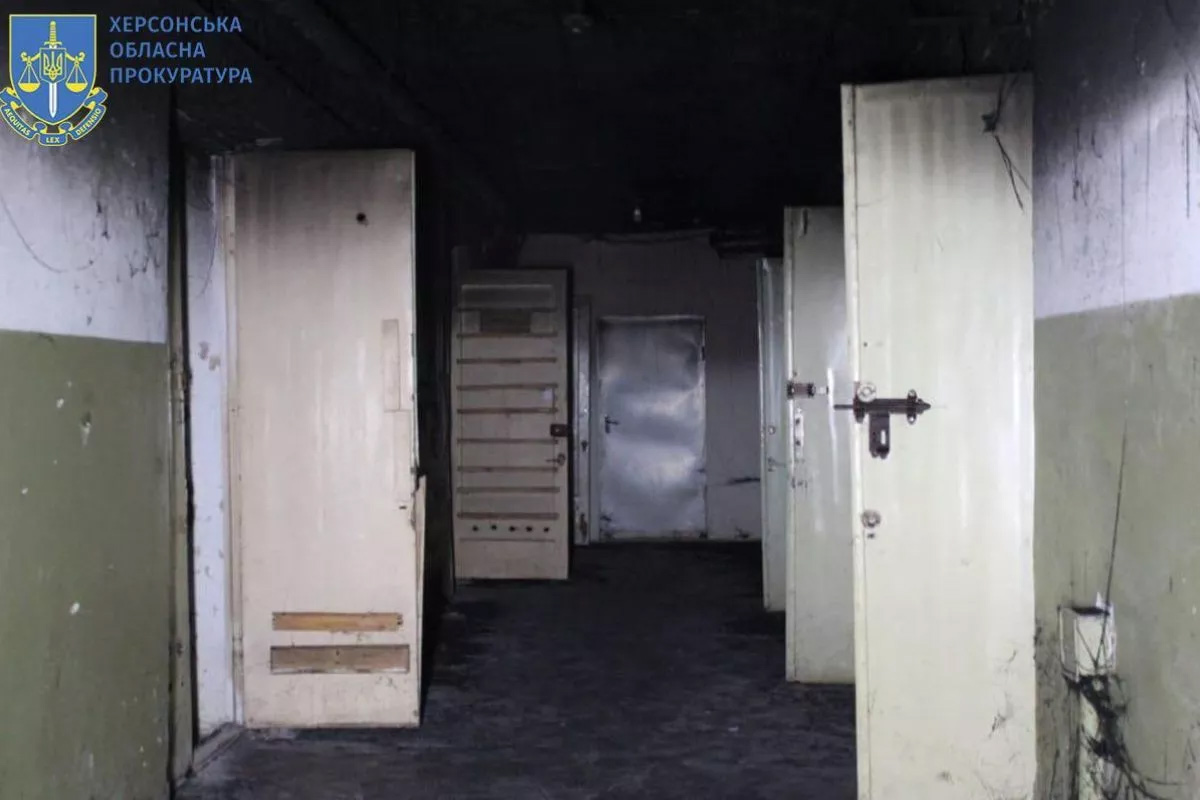
In Kherson and the liberated part of Kherson region, authorities found 11 illegal prisons and 20 torture chambers. The scale of russian torture in Kherson reveals systematic crimes against civilians.
Occupiers set up torture chambers mainly in captured law enforcement buildings — such as police stations or courts. There were also torture chambers at recreation centers and educational institutions.
Methods of Torture
The methods russians applied to the civilian population included beatings, electric shock torture and water torture, threats of body part amputations, and sexual violence. They beat stomachs, kidneys, and heads. Men received electric shocks through their genitals, and women through their breasts.
According to Ombudsman Dmytro Lubinets, occupiers didn’t seek to obtain information from people — they just beat them. Witnesses say russians took them from homes or streets, put bags over their heads and drove them somewhere. For several days they brutally beat them, applied electric shocks — and practically asked no questions. Here’s Dmytro’s quote:
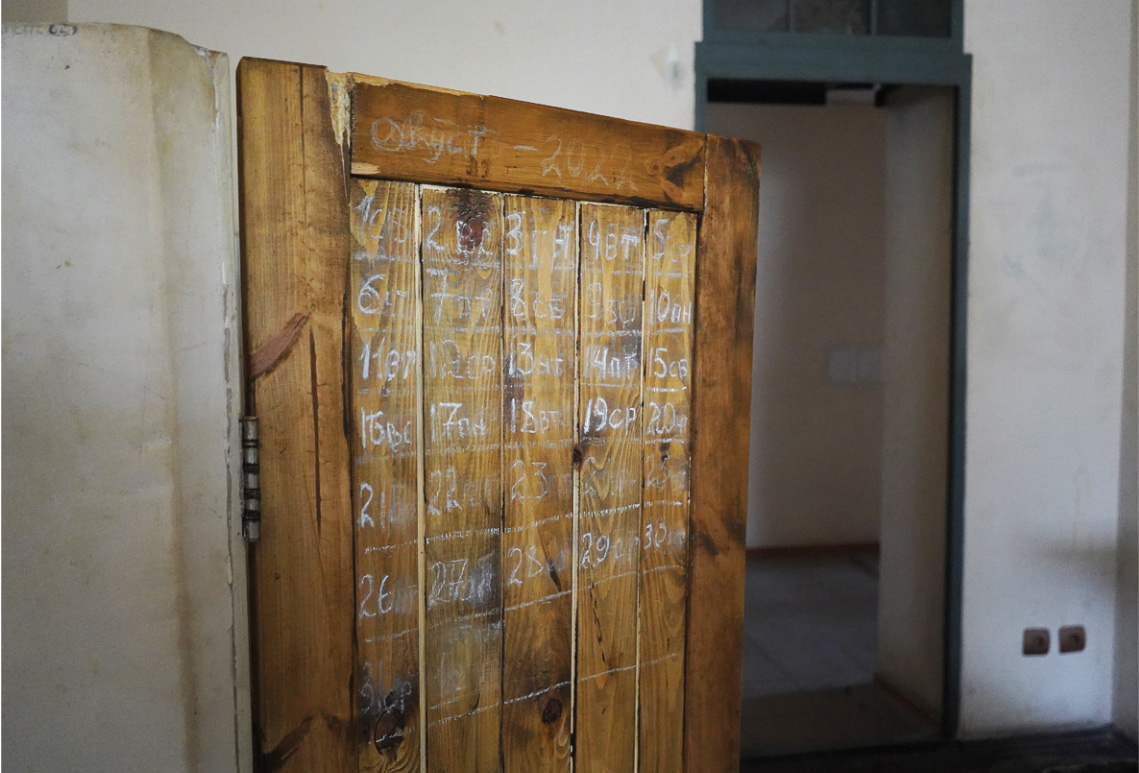
In Kherson region, facts were established that men and women were kept together in torture chamber cells simultaneously for weeks around the clock. Moreover, they weren’t released for weeks. Even to use the toilet, women had to do so in the presence of men, and men in the presence of women. There was a separate cell where they kept teenagers. We are now establishing their age. People say some boys looked about 14 years old.
Unprecedented Cruelty
Dmytro Lubinets noted that in Kherson region, the cruelty was even greater than in other occupied territories. The grounds for detaining women varied. Russians detained Ukrainian law enforcement employees or their relatives. People who had connections to the Armed Forces or resistance movement in temporarily occupied territories of Kherson region also ended up in torture chambers.
Posts or videos on social networks reflecting a person’s pro-Ukrainian position could serve as sufficient proof of such involvement. For example, russians took one woman just because she wrote about russians on Facebook: “they will go back in black bags”.
Another category of detainees — those used as hostages to detain family members, relatives, and acquaintances. For example, occupiers took Olha Strohan hostage to detain her husband.
Forced Collaboration
Head of the Department for Combating Crimes Committed in Armed Conflict Conditions Oleksiy Butenko said russians tried to force people to cooperate with the occupation authorities through torture. They took education workers, law enforcement officers, government representatives, and civic activists to torture chambers. In many cases, they demanded ransoms for release. Anastasiia Vesilovska, representative of Kherson Regional Prosecutor’s Office, shared several stories:
1. An 18-year-old boy from Kherson who openly took a pro-Ukrainian position was kidnapped and delivered to the basement of a captured office building in Kherson. They beat him on the head, on the body, kept him in isolation, starved him, tortured him with electric shocks, including on his genitals. And before release, they forced him to record a video with false testimony and staged a mock execution.
2. Armed servicemen and representatives of the so-called “DPR” (recognized as a terrorist group in Ukraine) burst into a local family’s house. They forcibly took the owner out to the street, and a woman — a “DPR” representative — began interrogating him with beatings. When she didn’t get the information she wanted, she entered the house where the victim’s wife was with two small children. Without hesitation, she put a gun to the baby’s head and began threatening reprisals and arrest of the entire family.
Anzhela Slobodian, who was held in one of the cells for a whole month, shares her memories:
On the third floor they beat men. When a person is tortured with electricity, you hear it. It’s some strange sound. Men screamed in pain.
The Death Toll
Not everyone russians tortured managed to stay alive. In total, authorities found bodies of 63 civilians with traces of torture. Over 700 people are considered missing. There are fears they are dead or illegally taken to russian-occupied territories. At least 60 Ukrainians were taken by occupiers to the left bank of the Dnipro while fleeing from Kherson.
The evidence of russian torture in Kherson continues to emerge as investigators work through torture chambers. Each room tells a story of systematic brutality against civilians whose only “crime” was loving their country. The torture chambers reveal not random violence but deliberate state policy designed to break the Ukrainian spirit. It failed.
Related posts:

1418 Days Ukraine Resists: Longer Than “Great Patriotic War” Lie
Today, 1418 days have passed since the full-scale phase of the Swamps’¹ war against Ukraine began. The war has now equaled in time the duration of the USSR’s [...]
Russian Reaction to Maduro Capture: Politicians and Social Media
The Russian reaction to Maduro capture is pure panic. As soon as news about Maduro’s capture went into news feeds, loud explosions sounded in the Swamps¹. Satellites recorded [...]