
Ukrainian Strikes on Russian Oil Infrastructure Continue
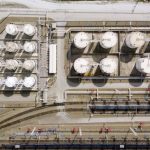
While the underwater drone strike on an enemy submarine in Novorossiysk has dominated headlines, other Armed Forces strikes on military and oil infrastructure haven’t stopped — they’re just getting less attention. On December 15, very good and persistent drones once again visited Lukoil’s extraction platforms in the Caspian Sea. It’s becoming clear this is systematic work to shut down oil production in a specific location. Strikes on Russian oil infrastructure continue methodically, targeting both extraction and refining capacities across multiple regions. The Lukoil platforms represent a significant chunk of russia’s offshore oil extraction capability, and each successful strike forces the company to halt operations for repairs and safety assessments. There’s no doubt strikes will continue — a fourth time, a fifth time, and will keep coming until the platforms stop operating normally.
Hit in Coordinated Operations
Today, the official Telegram channel of Ukrainian Special Operations Forces reported strikes on a refinery in Krasnodar Krai and an oil depot in Rostov Oblast:
On the night of December 17, Deep Strike units of the SOF, together with USF and GUR, struck the Sloviansk Oil Refinery located in Sloviansk-on-Kuban, Krasnodar Krai, russian federation. The Sloviansk refinery is involved in supplying fuel to the russian occupying army on temporarily occupied territories of Ukraine. This refinery in Krasnodar Krai has strategic importance for regional petroleum logistics.
SOF units also struck the ‘Nikolaevskaya’ oil depot in Rostov Oblast, rf, with strike drones. According to preliminary data, a reservoir and the river vessel “Captain Gibert” were damaged. This oil depot is used for storing and transporting petroleum products to temporarily occupied territories of Ukraine to support logistics for army units in occupied Crimea and adjacent occupied territories.
Both attacked facilities are directly tied to fuel supplies for enemy troop groupings conducting combat operations in Ukraine. The Sloviansk refinery processes crude oil into diesel and aviation fuel — exactly what russian forces need to keep their tanks rolling and aircraft flying. Disrupting this supply chain means forcing the occupiers to rely on longer, more vulnerable logistics routes.
The Nikolaevskaya depot serves as a critical transshipment point where petroleum products move from pipelines to river transport, then into occupied territories. Damaging both the storage tanks and the river vessel Captain Gibert creates a bottleneck that won’t be easily resolved.
The pattern is clear — strikes on Russian oil infrastructure continue across multiple fronts, from Caspian extraction platforms to Black Sea port facilities to refineries deep inside enemy territory. Each successful operation degrades moscow’s ability to sustain its war machine and fund its aggression.
The Real Test for the Damaged Submarine
As for the submarine hit yesterday… We won’t comment on the pathetic statements from russian press claiming “Ukrainian military failed to destroy the submarine.” We know for certain this submarine could carry 4 Kalibr cruise missiles. Therefore, the number of Kalibrs launched by russian terrorists during the next strike on Ukrainian cities will be the real criterion of “succeeded” or “failed.” If those four missiles don’t appear in the next barrage, we’ll know exactly how “undamaged” that submarine really is.
And we have almost no doubt that the vengeful Kremlin bastard will order strikes on Ukrainian cities in response.
Related posts:

Ukraine answers the February 17 strike: Refineries & Plants Hit
Today brought a rare — perhaps unique — event connected not just to Ukrainian air defense work, but to an adequate response to the enemy. Ukraine answers the [...]
Ukraine Has Resumed Deep Strikes: Arsenal, Oil, and Military Plant
It seems that Ukraine has resumed deep strikes. TToday there was news that the good birds are visiting enemy arsenals, oil refineries and military facilities. But let’s get [...]