

Missile Strike on Progres Plant Making Russian Weapon Parts
The unfiltered truth from Ukrainian soldiers and volunteers. Just war as it is. Reader-supported.
Support →

It may sound strange, but pootin himself helped Ukraine pull off the missile strike on Progres plant. Enemy social media spent the night posting footage of air defense systems rolling through Moscow streets. No captions needed — everyone understood. Ahead of the parade, they’re stacking even more layers on top of an already oversaturated air defense network around the capital. They’re way past “rings” at this point. It’s a solid wall — dozens, if not hundreds of systems of every class and range. Looks roughly like this:

On one of those convoy videos, the person who filmed it asked a philosophical question: “Where exactly did all of this come from?” Even the Orcs¹ get it — if you need to urgently reinforce one specific location, the only way to do it is to pull systems from somewhere else. Somewhere that probably mattered. So the confused question hangs in the air: where’s wide open now, with nothing left to cover it.
Ukraine’s Defense Forces answered that question overnight. The answer landed in Chuvashia — at the Progres plant in Cheboksary and videos of the strike is already online. The sky is pitch black, but you can make out a grey silhouette moving fast and low. The sound leaves no doubt: jet engine. Cruise missile.
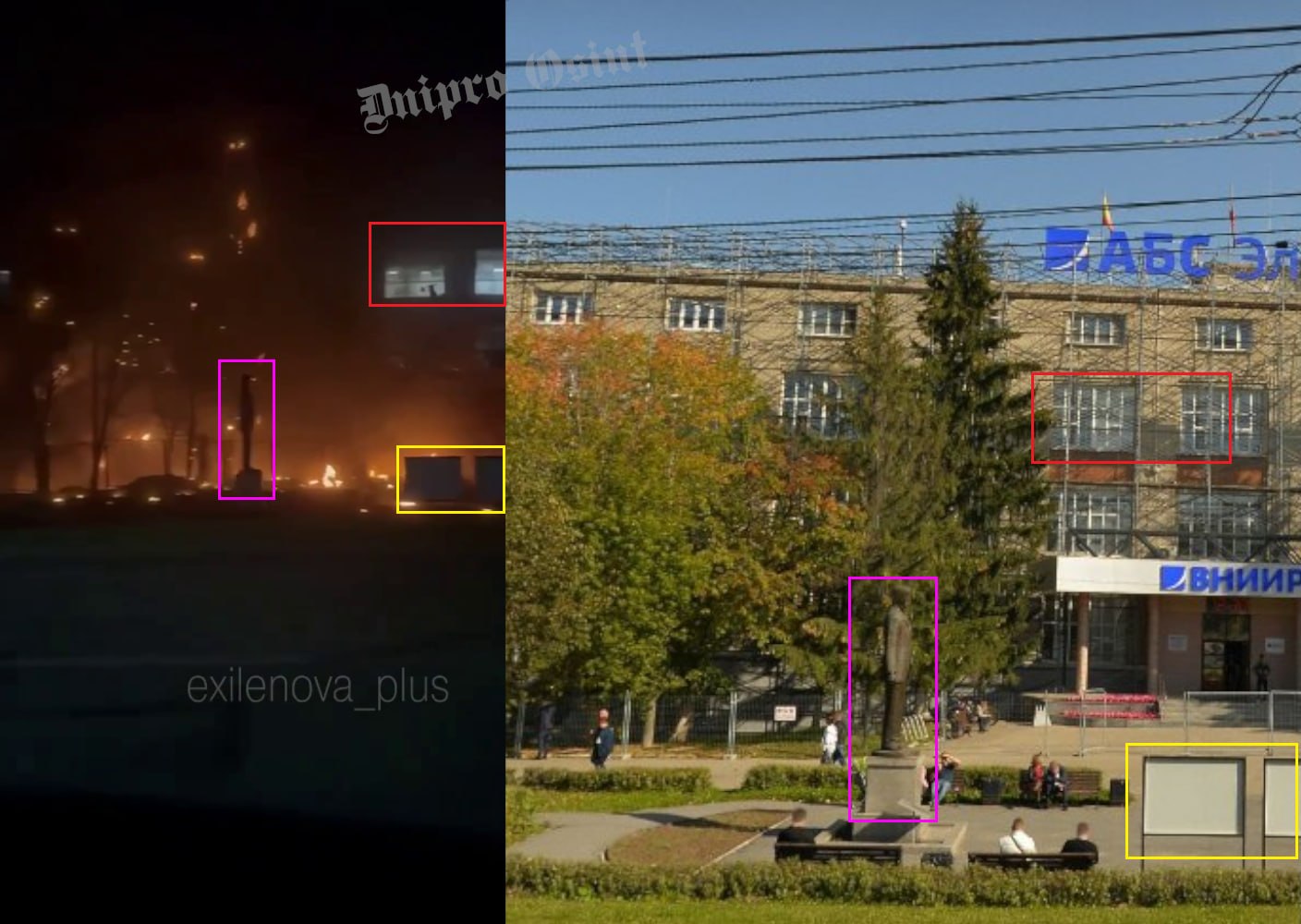
What Hit Progres?
Cheboksary sits at least 1,000 kilometers from any realistic launch point, so this wasn’t a Shadow or a Scalp. Something Ukrainian. If it was a Flamingo-class missile carrying a 950 kg warhead, the Progres plant had an extremely unpleasant night. It’s been hit before — but nothing this heavy had reached it until now. And there’s a reason we care about this factory. Its core business is jam-resistant satellite navigation modules and adaptive antenna arrays under the Kometa brand:
- Kometa-M4, M8, M12, M16 — compact adaptive antenna arrays;
- Kometa-R8 — receiver-computing units for missile systems;
- Kometa-A-8 VTK — navigation components for UAV flight systems;
These go directly into Russian UAVs, cruise missiles, and ballistic missiles. They’re exactly what allows Shaheds and Russian rockets to hold course even through heavy electronic warfare. Without these components, only one option remains — shoot the thing down before it reaches the target.
VNIIR-Progress holds a full monopoly on these antenna arrays, it mean there’s no quick substitute for this type of precision microelectronics. Shut this plant down, and Russia’s defense industry runs into a hard wall — a technological hunger it can’t feed anytime soon.
No detailed damage assessment yet, but wherever a missile of this class hits, the result is orders of magnitude beyond what a drone could do. Just a reminder — Ukrainian drones had already hit this exact section of the facility before:
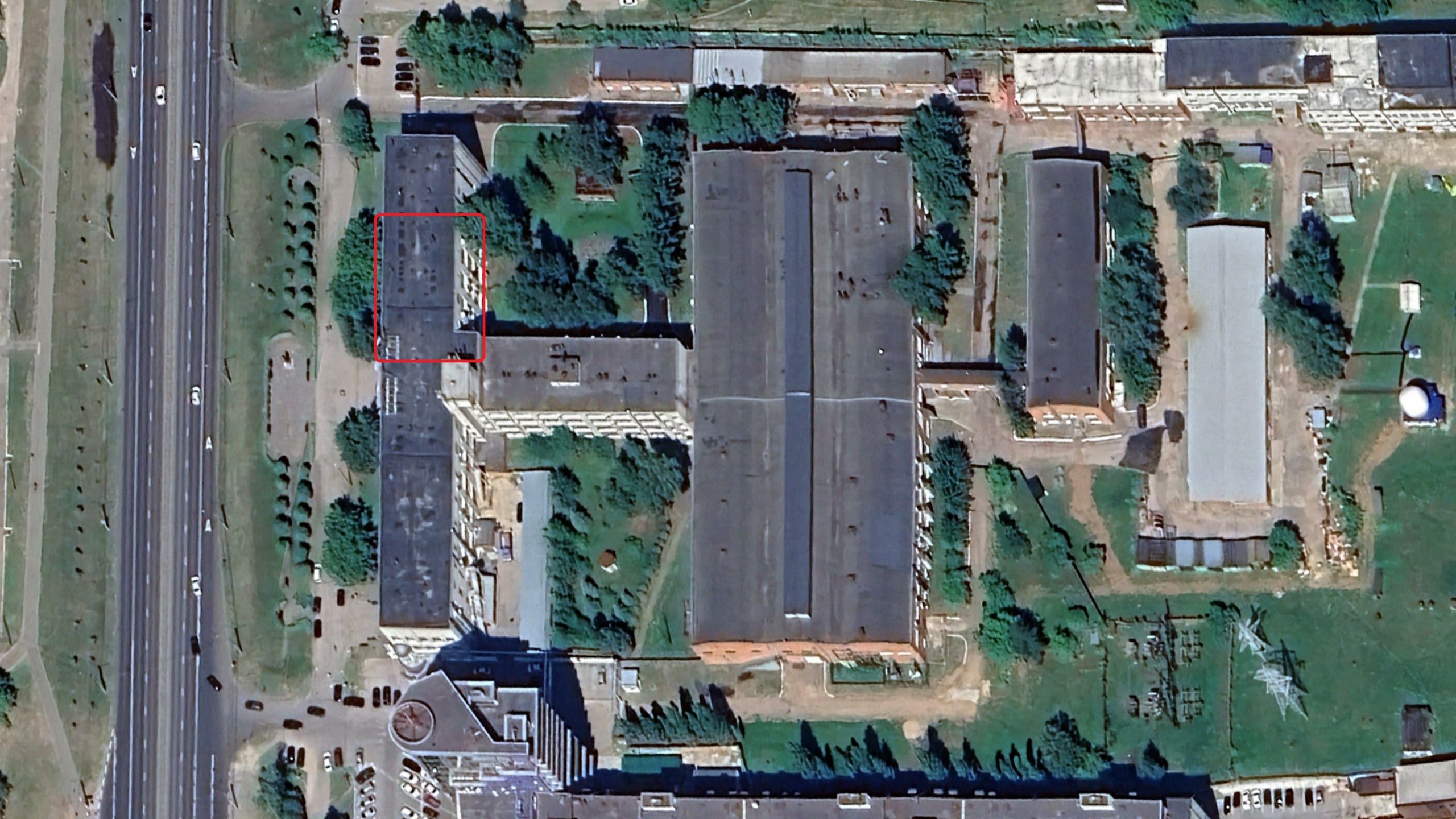
The Morning After
After sunrise, at least one drone showed up to finish the job. Not a single air defense response — the whole city just watched a Good Bird² drift slowly over the rooftops and dive into the plant. So what we have here is a full combined strike: cruise missile at night, UAV in the morning. Hopefully missile strike on Progres plant confirms exactly the kind of coordination between different Ukrainian units we’ve been waiting for.
¹Orcs – a common term for Russians who support or participate in the armed aggression against Ukraine. Dehumanizing? Yes. Accurate? Also yes.
²Good Birds – slang for strike drones. Why “good”? Because they bring “warmth and light” to enemy military factories, ammunition depots, and oil refineries. Sarcastic? Of course. Effective? Even more so.
Related posts:

Strike on Voronezh — Unknown Weapon, Undeniable Results
On June 22 the Ukrainian Defense Forces landed a solid hit on one of the enemy’s military-industrial facilities — JSC VZPP-Sborka. The Strike on Voronezh was timed perfectly [...]
Russian Ground Robots: Origins, Failures, and a Growing Threat
Ukraine’s Ministry of Defense plans to shift 100% of frontline logistics to NRKs¹. But where does the enemy stand on this technology? How are Russian ground robots developing [...]