

History’s First Drone-Only Battle — No Infantry Involved
The unfiltered truth from Ukrainian soldiers and volunteers. Just war as it is. Reader-supported.
Support →
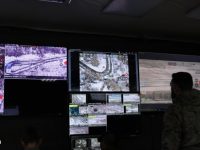
December 2024. Lypci village, Kharkiv region, just north of Kharkiv. This is where humanity witnessed its first drone-only battle — a combat operation conducted entirely by unmanned and robotic systems, with no infantry on the ground.
The engagement involved a large number of robotic and unmanned platforms operating simultaneously. In particular, unit deployed dozens of NRKs¹ — mobile turrets, mine-laying and demining platforms, evacuation units, and logistics carriers. At the same time, they used a wide range of UAVs, including surveillance drones, multiple FPV types, and heavy multirotor bombers. The operation successfully destroyed Russian positions.
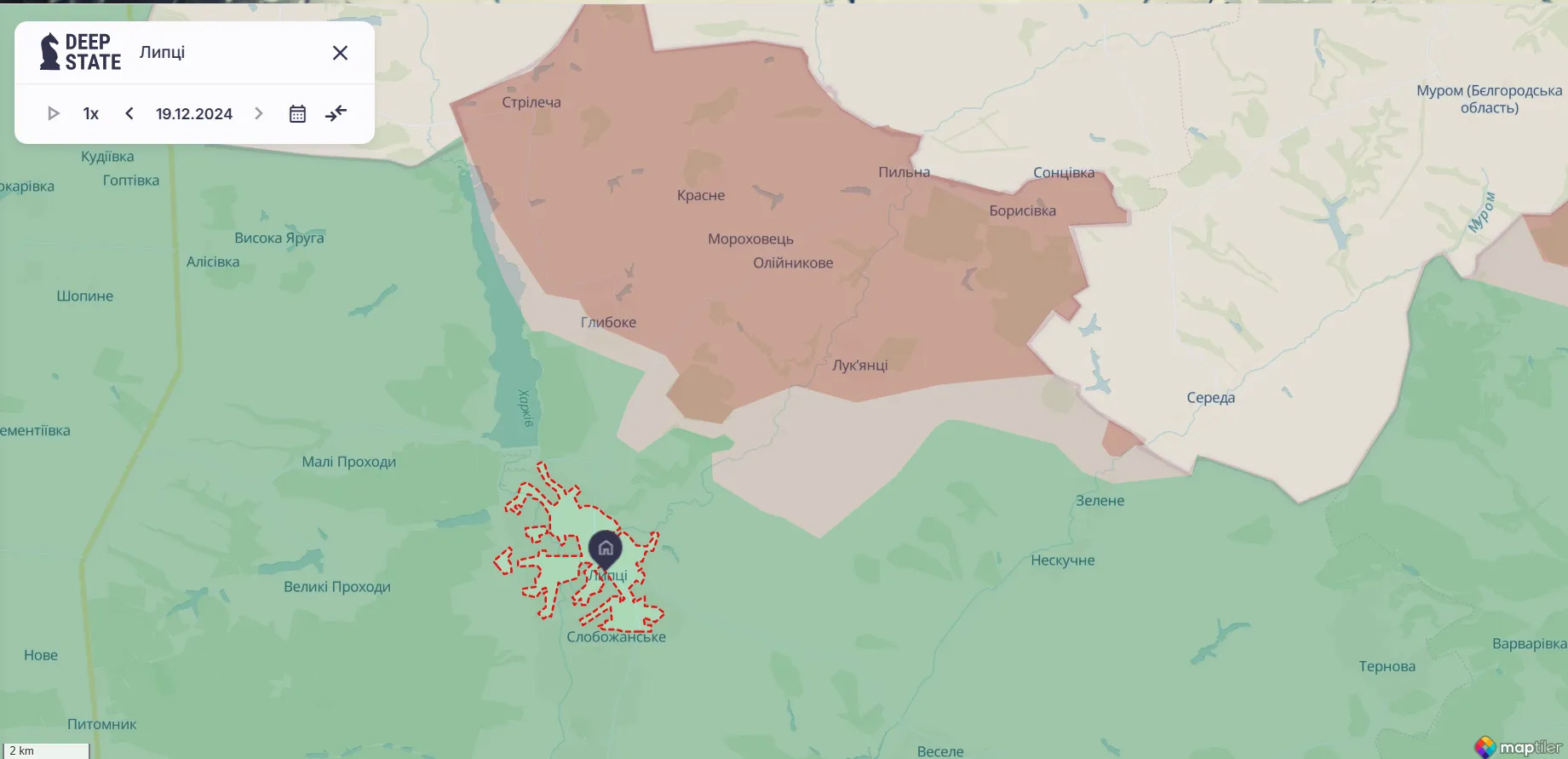
The exact types and numbers of ground and aerial systems used have not been disclosed. However, beyond the operational success itself, Ukrainian forces came away with something equally valuable — unique firsthand experience of what all-drone combat actually looks like in practice.
Brigade spokesperson statement
The operation was conducted by operators of the 13th National Guard Brigade “Khartia”. The brigade runs a dedicated ground robotic systems unit that has been fielding UGVs for a range of missions over an extended period. Until this point, the focus had been primarily on evacuation and logistics — delivering food, ammunition, and water to frontline positions. But in December 2024, something different happened. Below is the official video from the 13th Brigade:
Lieutenant Colonel Anton Baiev from the brigade’s planning department described it as “testing the concept of small operations run entirely by robots“. Brigade spokesperson Volodymyr Dehtiarov gave the following statement:
During the operation we were able to identify enemy firing positions, conduct demining, and partially destroy the enemy. The simultaneous nature of the engagement produced a positive effect overall. After this, it became easier for our assault units to advance.
The role of robotic systems is to reduce risk to the lives of servicemembers — in logistics, for example delivering infantry supplies, ammunition, water, power banks, and fuel to combat positions. It also applies to remote demining and mine-laying to prevent the enemy from approaching our positions, and to achieving greater precision. Drops from large multirotors are more accurate than artillery.
We used large multirotor copters capable of carrying significant payloads alongside FPV drones. All of this is supported and monitored by multiple carousels of surveillance drones. We’re talking about dozens of robotic and unmanned units operating simultaneously on a small section of the front.
What the first drone-only battle revealed
Beyond the tactical success, the operation surfaced concrete limitations and challenges that emerge when operating drone swarms in real combat conditions. Among them: countering enemy EW² jamming and maintaining effective operations in heavy mud and dirt.
It was a live stress test that showed exactly where robotic warfare breaks down, and what engineers and operators must fix before the next deployment.
¹ NRK – (Ukrainian abbreviation for “Наземний роботизований комплекс”, НРК, literally “ground robotic complex”). A Ukrainian combat ground drone. Unlike typical UGVs, NRKs are capable of firing, mining, demining, and launching other drones.
² EW – Electronic Warfare. Refers to jamming systems used to disrupt drone control signals and GPS.
Related posts:

Operation Snow of Akhmat: 65 Kadyrov Fighters Eliminated
Operators of the 1st Separate Center of the Unmanned Systems Forces, together with the Security Service of Ukraine, carried out Operation Snow of Akhmat on the night of [...]
Russian Ground Robots: Origins, Failures, and a Growing Threat
Ukraine’s Ministry of Defense plans to shift 100% of frontline logistics to NRKs¹. But where does the enemy stand on this technology? How are Russian ground robots developing [...]