

Exchange of Strikes: Russia and Ukraine’s Different Strategies
The unfiltered truth from Ukrainian soldiers and volunteers. Just war as it is. Reader-supported.
Support →
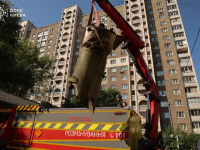
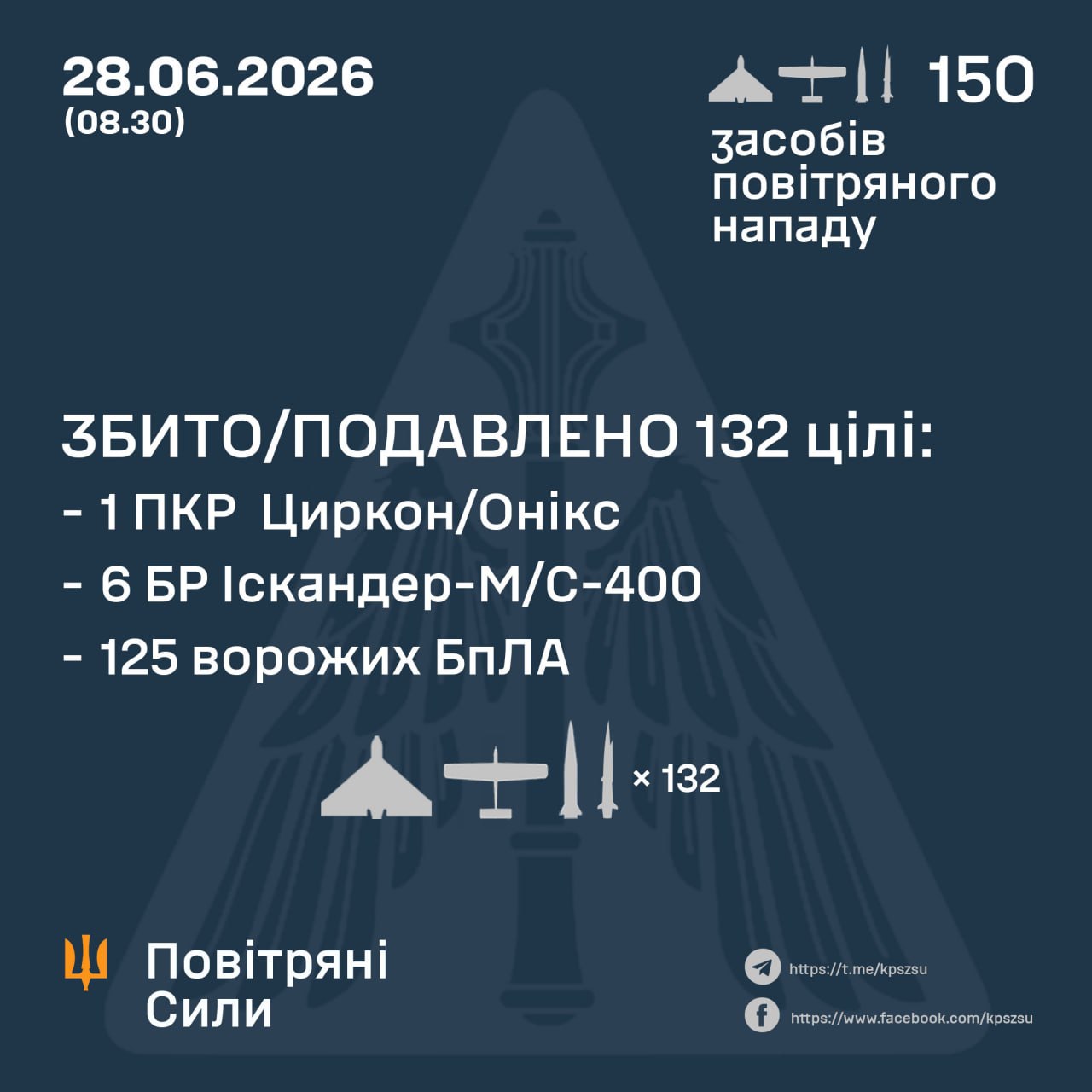
On June 28, 2026, Russia launched Iskander-M ballistic missiles and Tsirkon hypersonic missiles at Kyiv. In the latest exchange of strikes, almost all of them came down without reaching their targets. Ukraine’s air defenses downed all but one Tsirkon. Those who spent that night in Kyiv heard — and possibly saw — how it all went. It all came in from the north-east, and if the intercept debris fell in the Darnytskyi district, the target becomes obvious enough.
Let’s be direct about something. Ukraine has dispersed its fuel network into so many small nodes that striking individual fragments with expensive heavy weapons makes no sense for the enemy. There are no large fuel depots or major oil storage facilities left — everything spread too thin to hit meaningfully. Drone assembly workshops are distributed the same way — even if one gets damaged, it can be rebuilt in a different location within days.
Two Very Different Industrial Philosophies
This stands in sharp contrast to the enemy’s military-industrial complex, which the Orcs¹ inherited intact from the Soviet Union. They modernized a great deal of it, replaced old machine tools with new ones from Germany and Japan, but the fundamental structure remained unchanged.
The USSR built that structure around one assumption: only a massive nuclear exchange could threaten critical defense plants, and Russia’s enormous territory would help preserve some production even then. But long-range precision weapons made that concept irrelevant, and russia’s sprawling infrastructure and enormous territory began working against it.
Given all this, deploying expensive ballistic missiles and Tsirkon anti-ship missiles against Kyiv offers no military advantage whatsoever. What it does reveal is something else entirely — our strikes are driving the Kremlin’s old grandpa into a frothing rage. He demands satisfaction, attainable in his mind only through missiles and the spectacular demolition of ordinary apartment blocks. So the enemy burns through his missiles uselessly and senselessly, while missing far more painful strikes coming his way in return.
The Factory Strikes Are Paying Off
With each new exchange of strikes, the math keeps shifting in the same direction. The factory hits in Voronezh, Volgograd, and elsewhere will create genuine problems for Russian missile production — both for air defense systems and for ballistics. The damage will show up in finished output with a delay, once the stockpiles of electronics — the kind that cannot be quickly replaced — run dry. Everyone has already seen the photos and videos of the Voronezh plant in ruins, and now images from Volgograd are circulating. This is what at least one of the factory workshops now looks like:
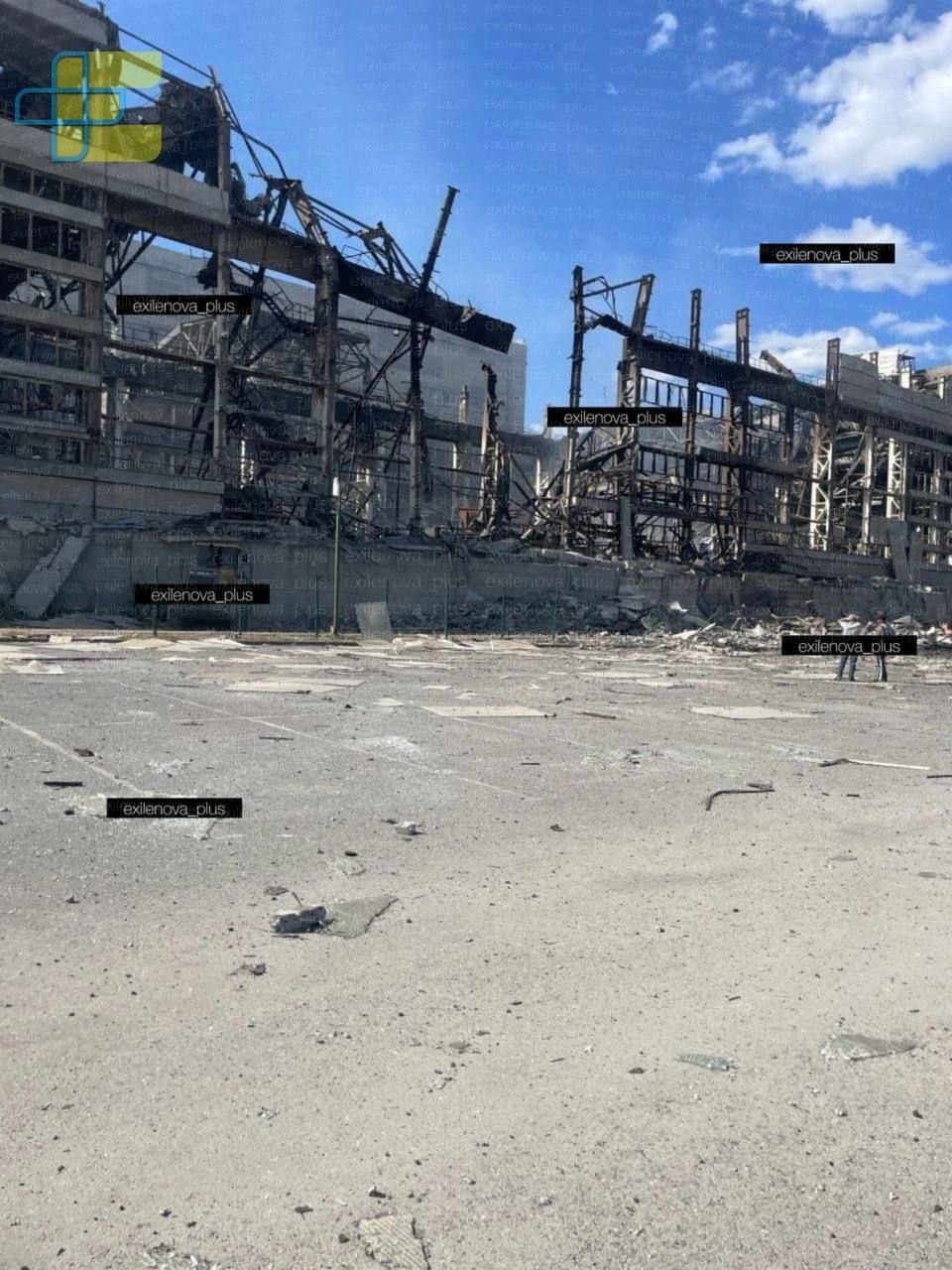
It’s hard to say anything precise about personnel losses. Russian social media reports no air raid warning went out. Military enterprises run 24/7 — so a significant number of Volgograd’s factory workers should have entered the Cargo 200² count.
The Exchange of Strikes Is Far From Over
Obviously, at this rate, cumulative damage will inevitably show up in weapons output. But who said these were the last strikes on their factories? The target bank has not even been half-depleted, and each successive strike arrives via heavier munitions than the last. Ukraine has clearly crossed a technological threshold here. Effective strikes now reach not only concentrations of fuel or explosives, but targets that generate no secondary detonation at all.
Just to recall — strikes on enemy military factories happened before too. But back then, the drone warhead was only powerful enough to punch through a workshop roof. Now, when the roof simply collapses inward and crushes everything underneath with its own weight, the exchange of strikes has entered a fundamentally different phase. This isn’t damage anymore — it is the destruction of whatever production occupied that workshop.
¹Orcs – a common term for Russians who support or participate in the armed aggression against Ukraine. Dehumanizing? Yes. Accurate? Also yes.
²200th (two-hundredth) – Ukrainian Army slang for KIA (Killed in Action). From the military code “Cargo 200” for transporting dead bodies.
Related posts:

Air Defense Performance Analysis: US, Israel, Russia, China
The Middle East is now engulfed in combat operations. Against this backdrop, moments emerge that allow viewing our war from a somewhat different angle and seeing certain details [...]
February 7 Massive Strike: ruSSia’s Predictable Terror
We’ve repeatedly drawn attention to the fact that Orcs* reserved Friday night to Saturday for massive combined strikes on Ukraine. Therefore, everyone concerned should draw their own conclusions [...]