

Kramatorsk railway station attack: How Russia Bombed Civilians
The unfiltered truth from Ukrainian soldiers and volunteers. Just war as it is. Reader-supported.
Support →

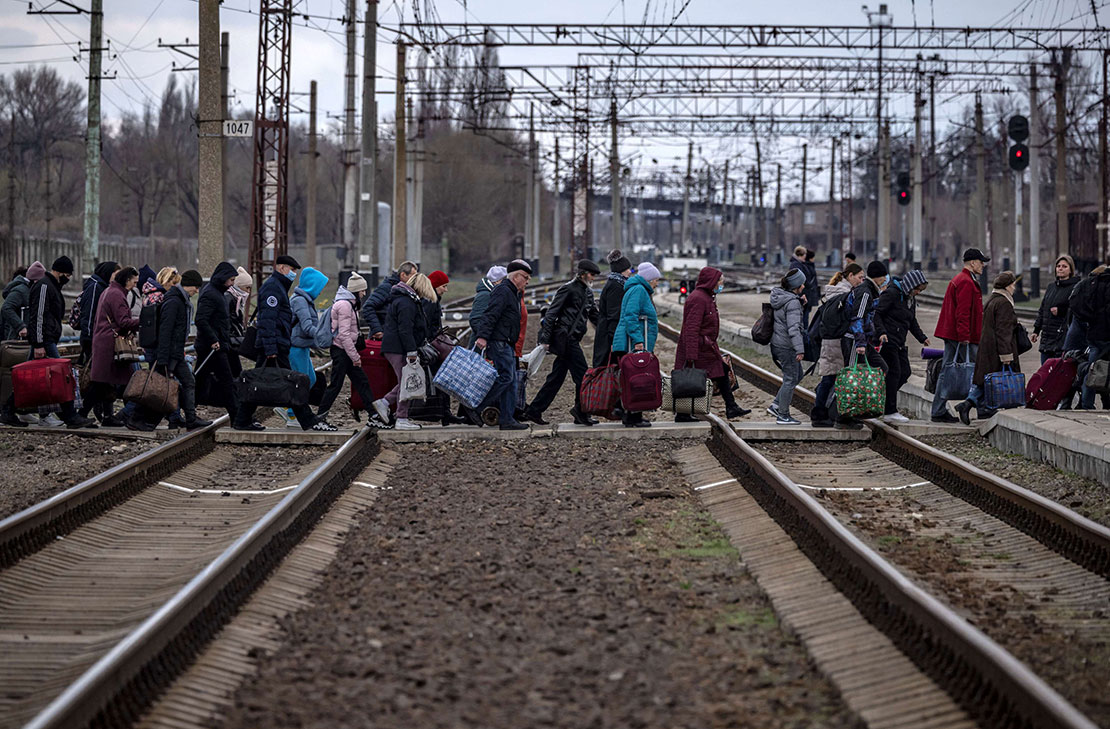
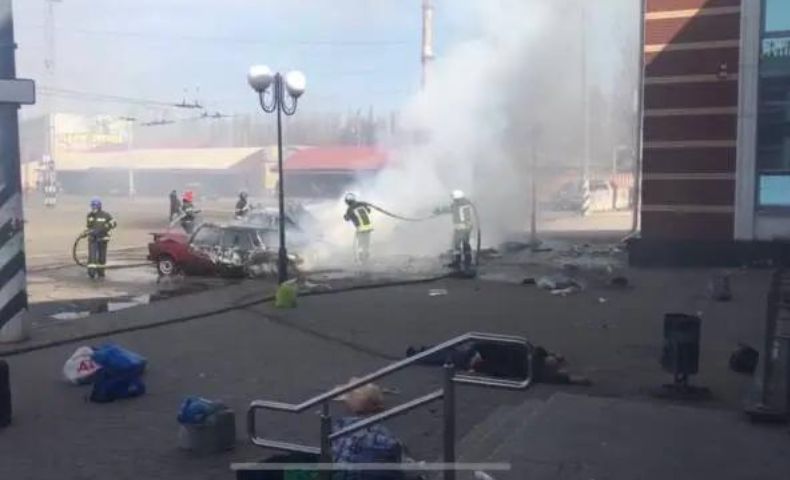
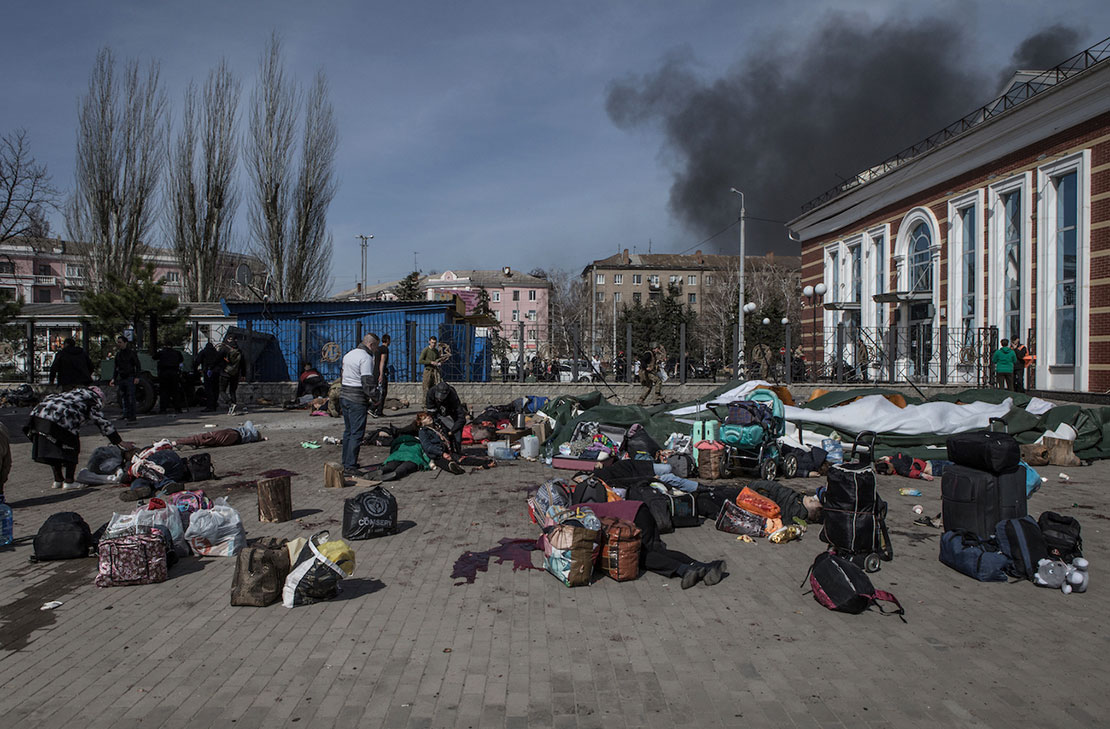
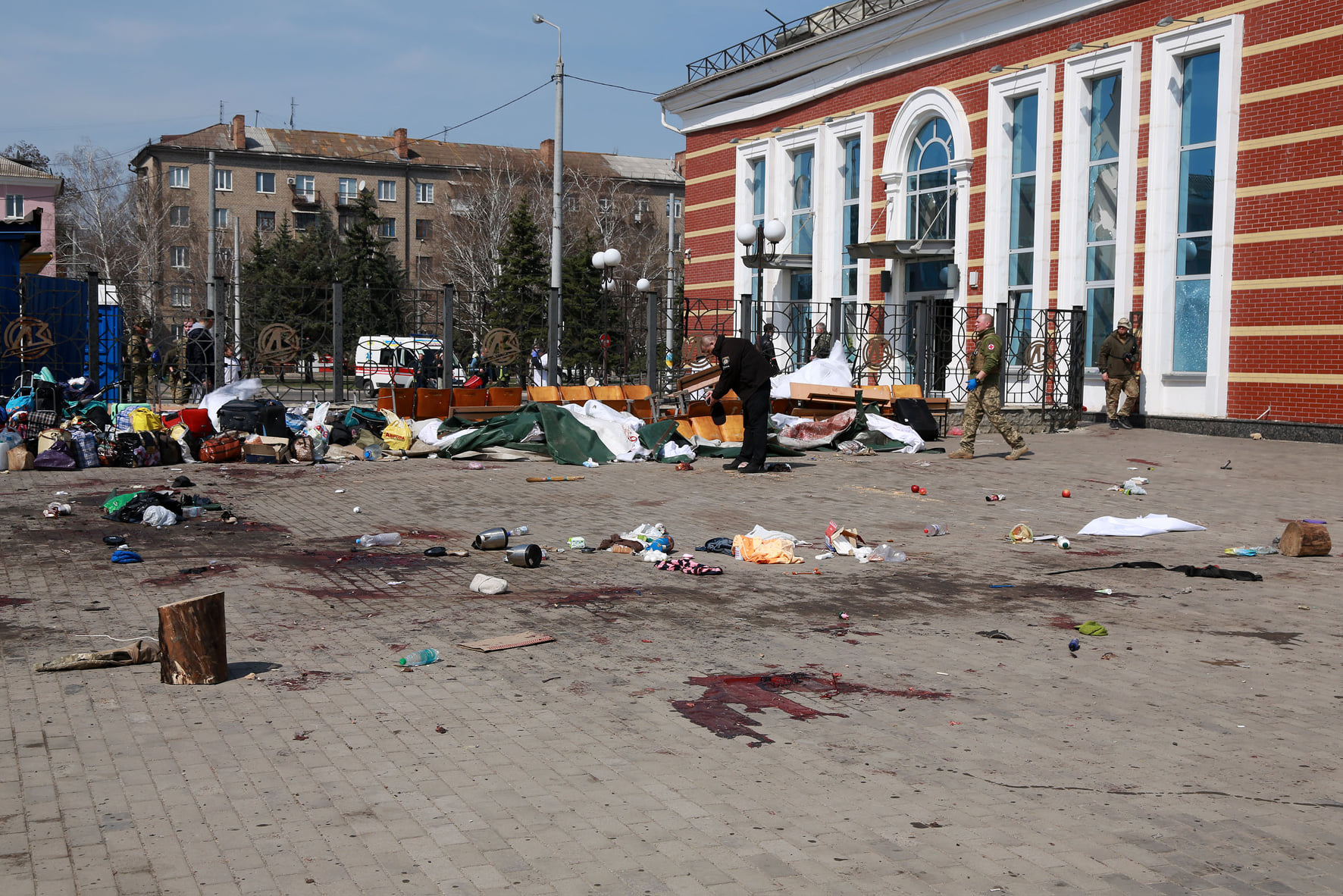
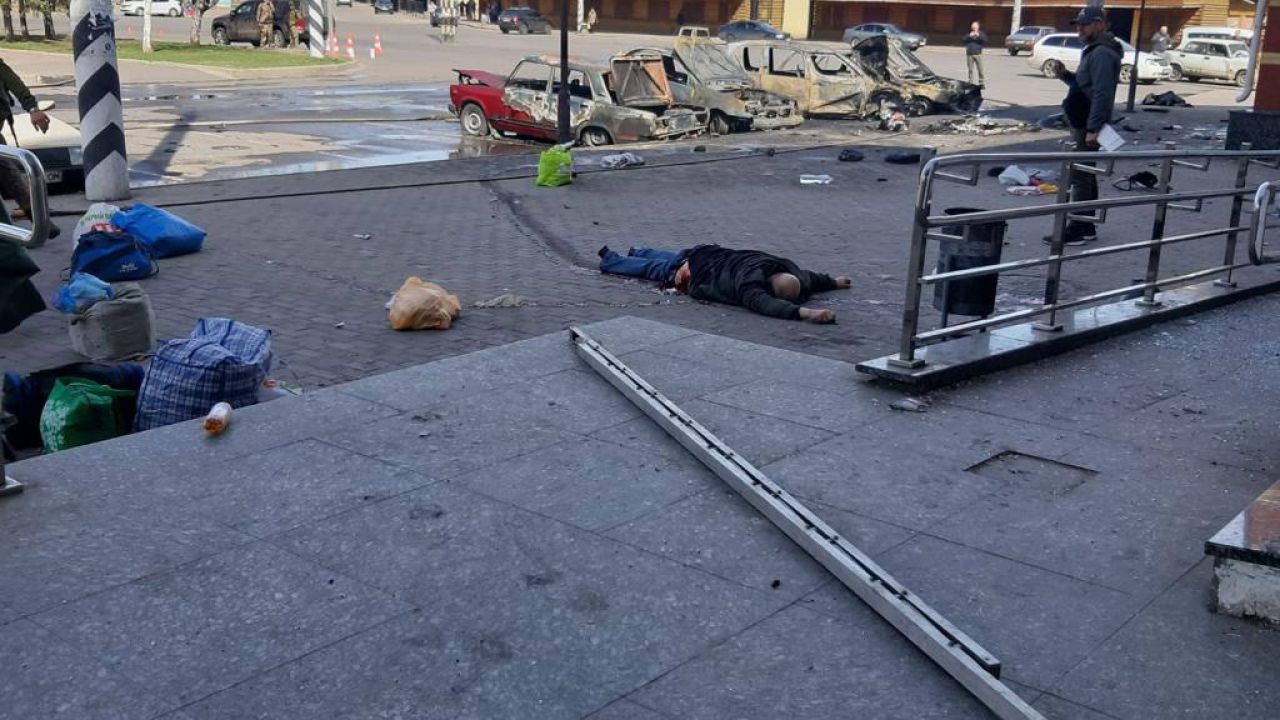
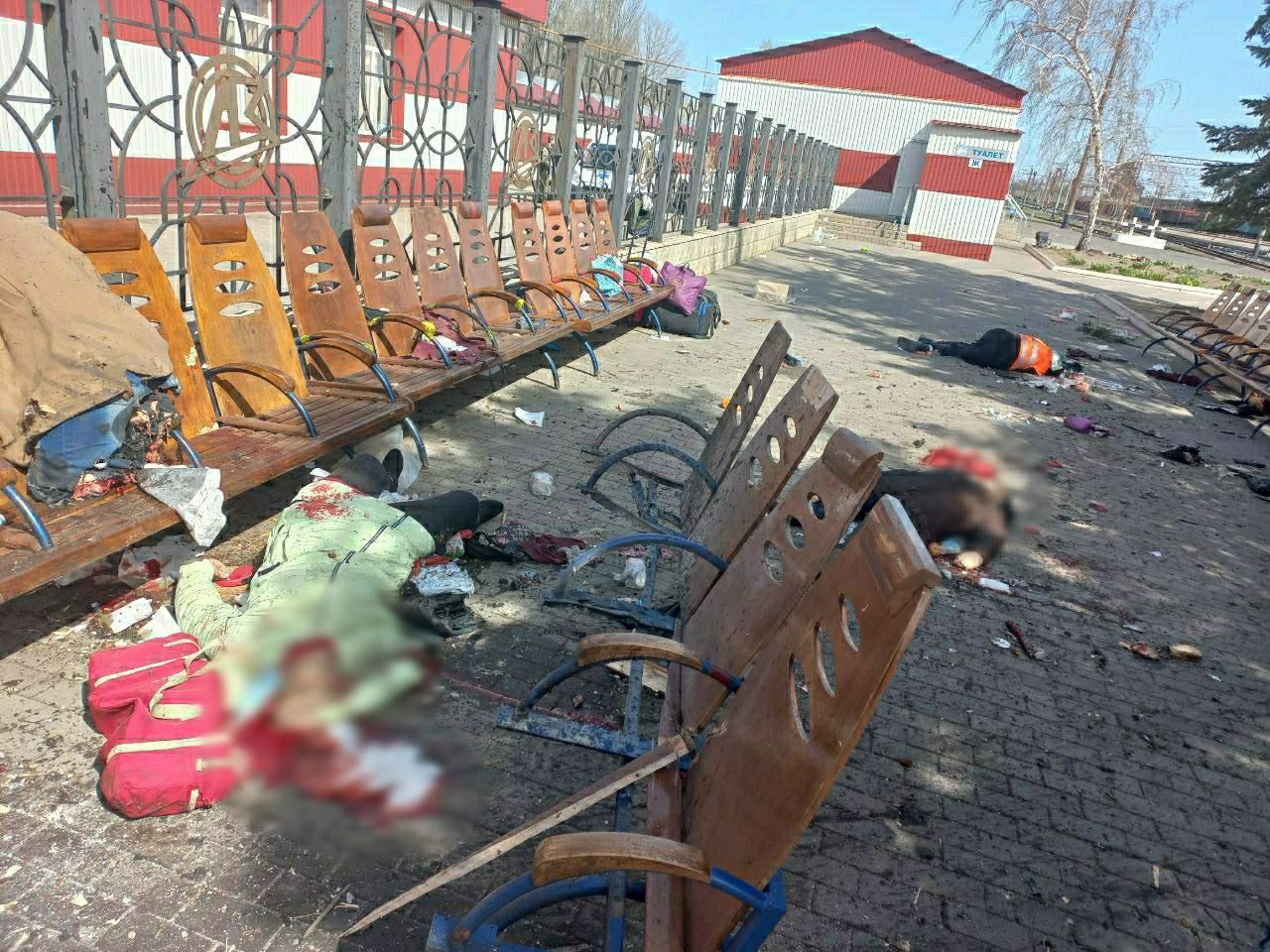
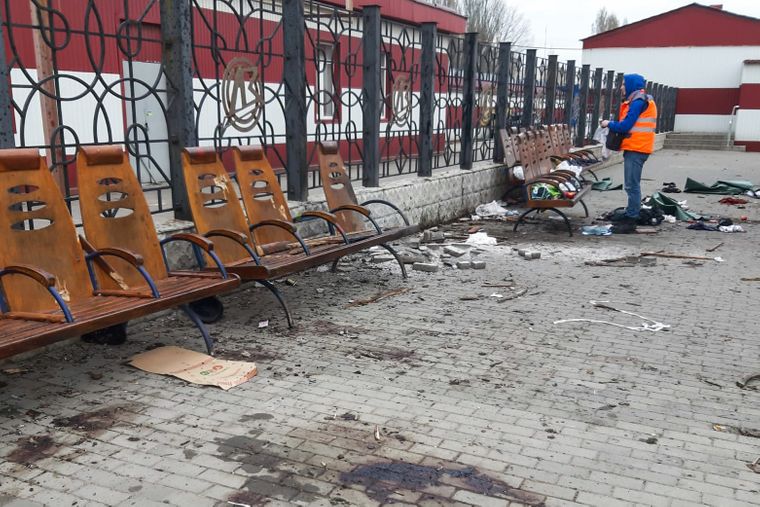
On April 8, 2022, Russian forces carried out the Kramatorsk railway station attack. They launched a Tochka‑U missile armed with cluster munitions directly at the station, where thousands of civilians were waiting for evacuation trains. Women carried children, elderly people clutched bags, and families hoped to escape the war. Instead of safety, they faced fire, steel, and death.
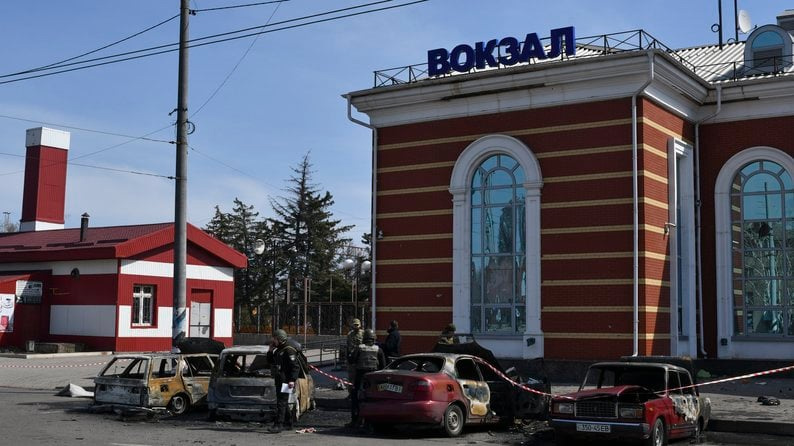
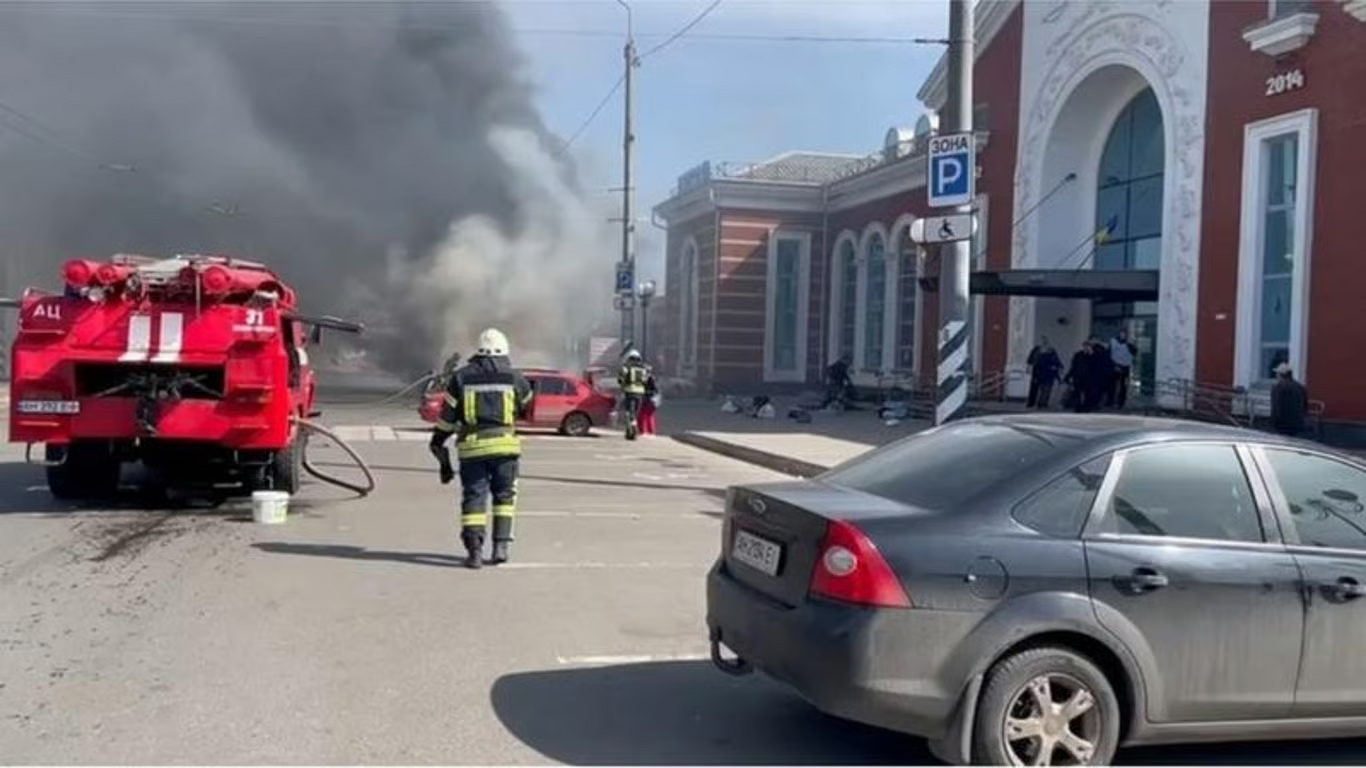
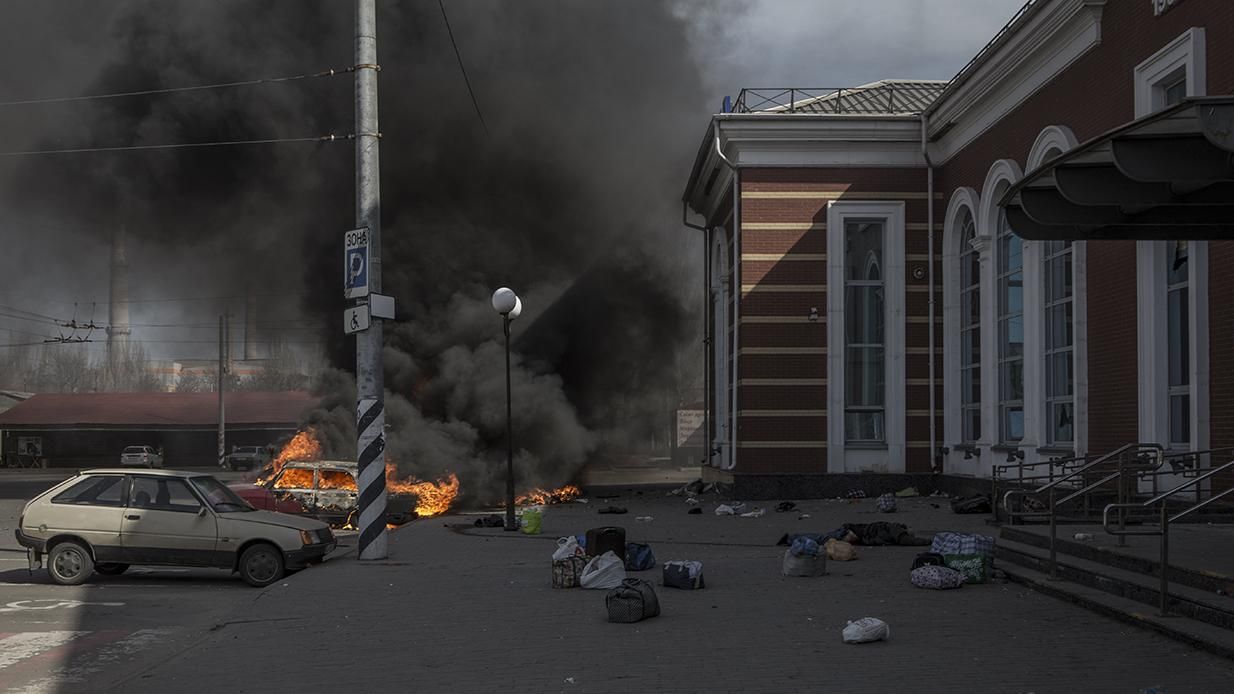
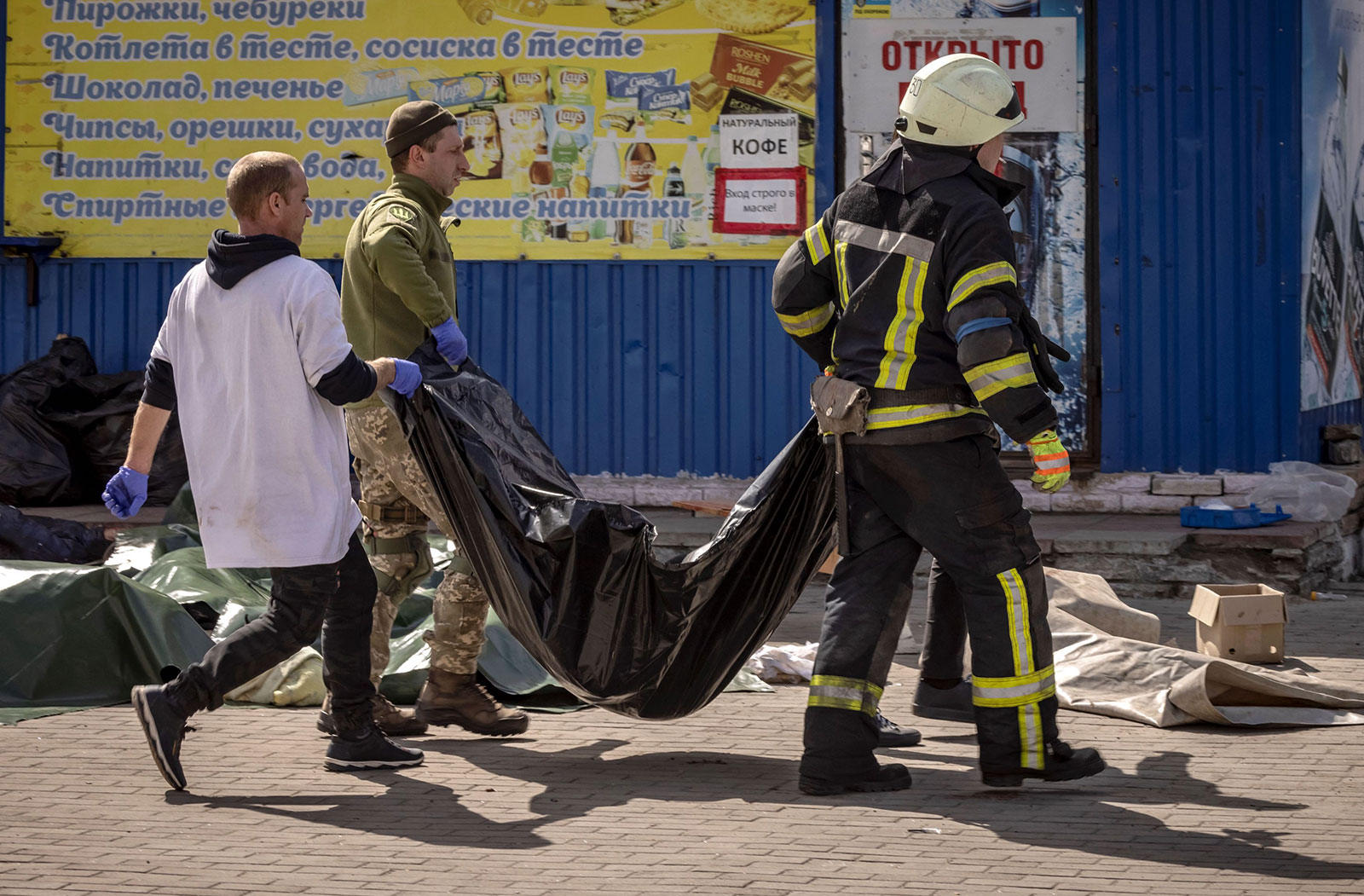
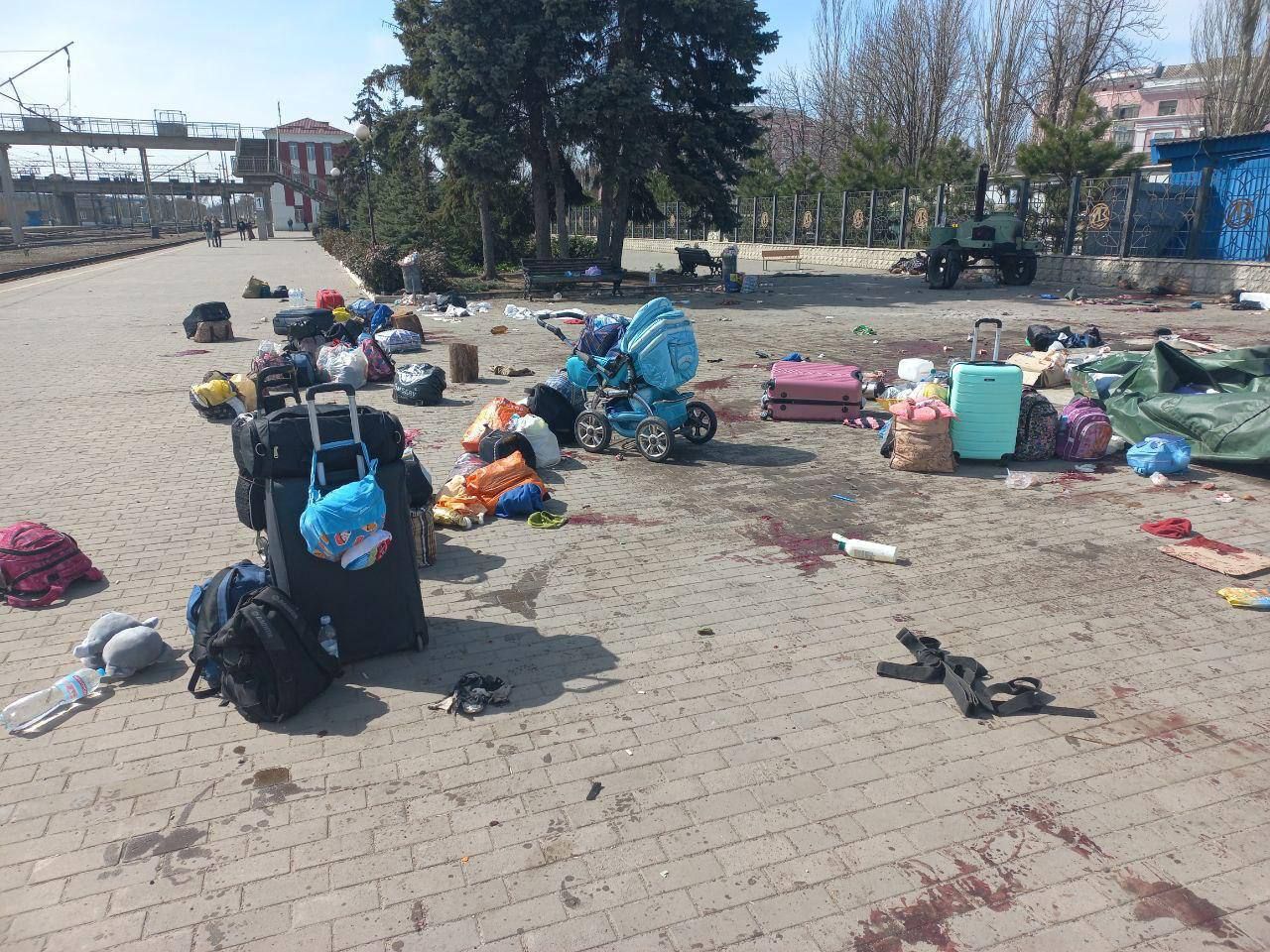
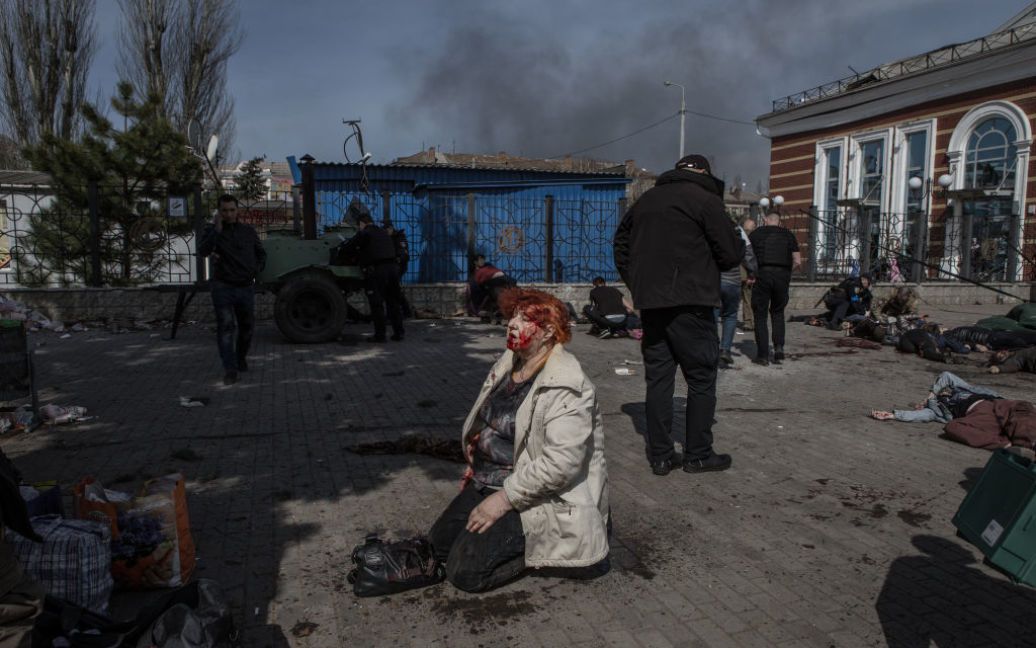
The attack killed 61 civilians, including nine children, and wounded 121 more. The station square, once crowded with people seeking refuge, was transformed into a scene of horror: scattered belongings, broken strollers, blood on the pavement.
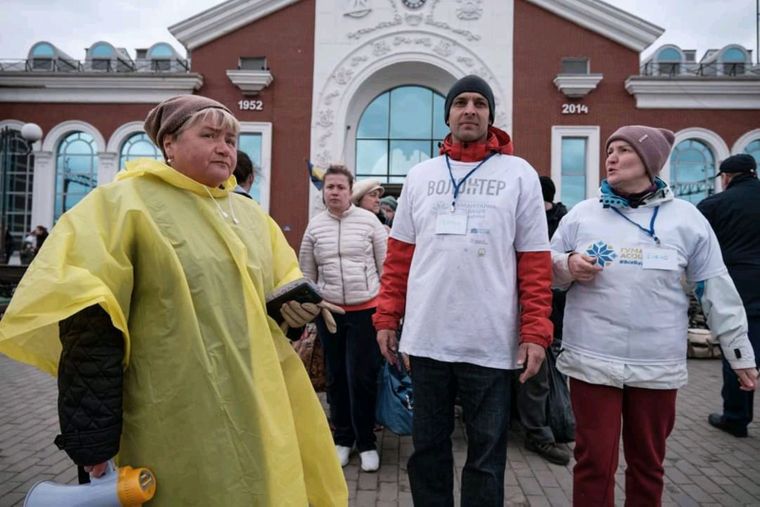
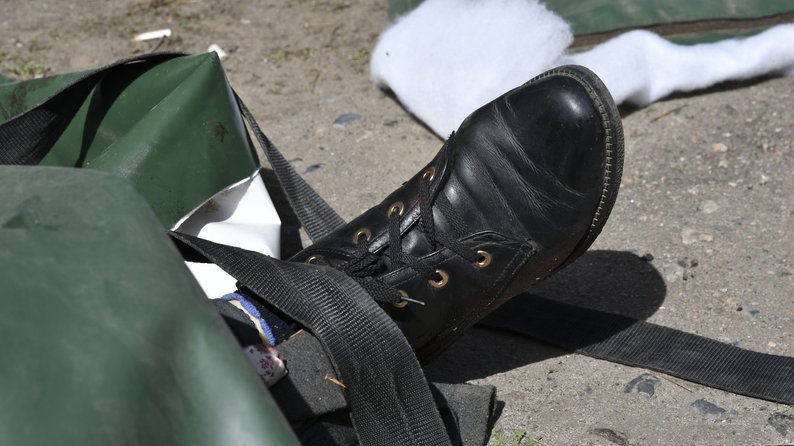
This gallery presents photographs taken in the aftermath of the strike. They are not easy to look at. Some images show the lifeless bodies of children, others the desperate attempts of medics to save lives. For that reason, we strongly advise that certain photographs should not be viewed by children. European audiences often debate whether such images are “too graphic” for public display.
The bitter irony is that while adults in Paris or Berlin may choose to look away, Ukrainian kids had no choice. They witnessed the consequences of Russian cluster munitions with their own eyes. They saw them directly, in real time, standing next to their parents or lying injured themselves.
Every picture here testifies to the Kramatorsk railway station attack. It remains one of the clearest examples of Russia’s war crimes against civilians.

Related posts:

Another Russian Terror: Massive Attack on Kyiv on July 6
On the night of July 6, the enemy carried out another massive combined attack on Kyiv. Some of it landed elsewhere too, but the capital bore the main [...]
Lessons from the Massive Attack on Kyiv on July 2
The massive attack on Kyiv on July 2 was predictable even without any inside information. The enemy runs this format regularly — sooner or later it was going [...]