

A Broken Fang of the Triad: Tu-22M3 Crashes in Irkutsk Region
The unfiltered truth from Ukrainian soldiers and volunteers. Just war as it is. Reader-supported.
Support →
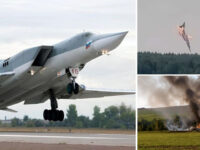
What analysts have been warning about for a long time is now playing out in practice. Russia’s strategic bombers were never designed for what Putin is using them for — and that misuse is pushing the entire fleet toward a dead end. There are several reasons why, and yesterday’s news from the Irkutsk region — where a Tu-22M3 crashes and is written off — illustrates all of them at once.
As we remember, Operation Spiderweb destroyed or seriously damaged somewhere between thirty and forty aircraft of this class. The method was unusual and, frankly, ingenious. However, the important part is not how it was done. The important part is that something similar is not merely possible again — it is inevitable. Large aircraft cannot be hidden or sheltered by physical structures. Only an airtight air defense system could protect them, and the enemy does not have one. That makes these aircraft permanently vulnerable to repeated strikes.
Simple logic suggests that once Ukraine fields long-range ballistic missiles, the first targets will be the airfields where these bombers sit. After all, these aircraft are no longer in production. Every loss is permanent because no factory stands ready to build replacements. The enemy already tries to keep them away from the European part of the Rabid Federation, yet every so often it still concentrates aircraft at Engels-2 Air Base. At the same time, Olenya and Dyagilevo almost always host a significant number of bombers. My guess is that we will learn about the arrival of such missiles in Ukrainian service immediately after strikes hit those airfields.
But these aircraft have another weak spot.
Most of them are old machines with long service histories. They require regular repairs, overhauls, and modernization. Ironically, that is when they become especially vulnerable. Aircraft undergoing maintenance cannot take off, and as mentioned above, they cannot be hidden either. We already saw how this story ends at the Taganrog Aircraft Repair Plant. A bomber does not even need a missile strike while sitting inside a repair hangar. A drone carrying a heavy warhead can destroy both the aircraft and the workshop around it.
Then there is the possibility of intercepting the bombers in the air. They repeat the same launch patterns from two or three locations, which makes their movements predictable. Once a target behaves predictably, the only remaining challenge is finding a way to ensure that the bomber and the weapon designed to kill it arrive at the same point in the sky at the same time. Given the pace of Ukrainian drone development, that no longer sounds like science fiction.
The nuclear Triad that burns itself out
In reality, these bombers were designed for one primary purpose: launching nuclear-armed missiles. Their designers built them around that mission from the very beginning. Everyone understood how such a war would work and that purpose was baked into the design from the start. A nuclear launch happens once, and what comes next hardly matters — the response strike wipes out the airfields, and the bombers probably never make it home anyway. That was the original logic. Instead, the enemy now flies them constantly against Ukraine and burns through airframe life at a rate nobody ever expected.
Put simply, the longer Pootin uses strategic aviation to attack Ukraine, the closer these aircraft move toward the point where they begin to fail on their own.
If that failure happens on the ground, a bomber receives a death sentence and never flies again. If it happens in the air, the aircraft crashes and becomes an irreversible loss. We should expect such incidents to become more frequent if nothing changes in the current tempo of cruise missile strikes against Ukraine.
And yesterday brought exactly that kind of news.
A Tu-22M3 crashes in the Irkutsk region, home to Belaya Air Base. According to unverified reports, this was one of the aircraft damaged during Operation Spiderweb. It was reportedly repaired, and the crew was conducting a post-repair test flight. Spiderweb, it seems, caught up with it a year later.
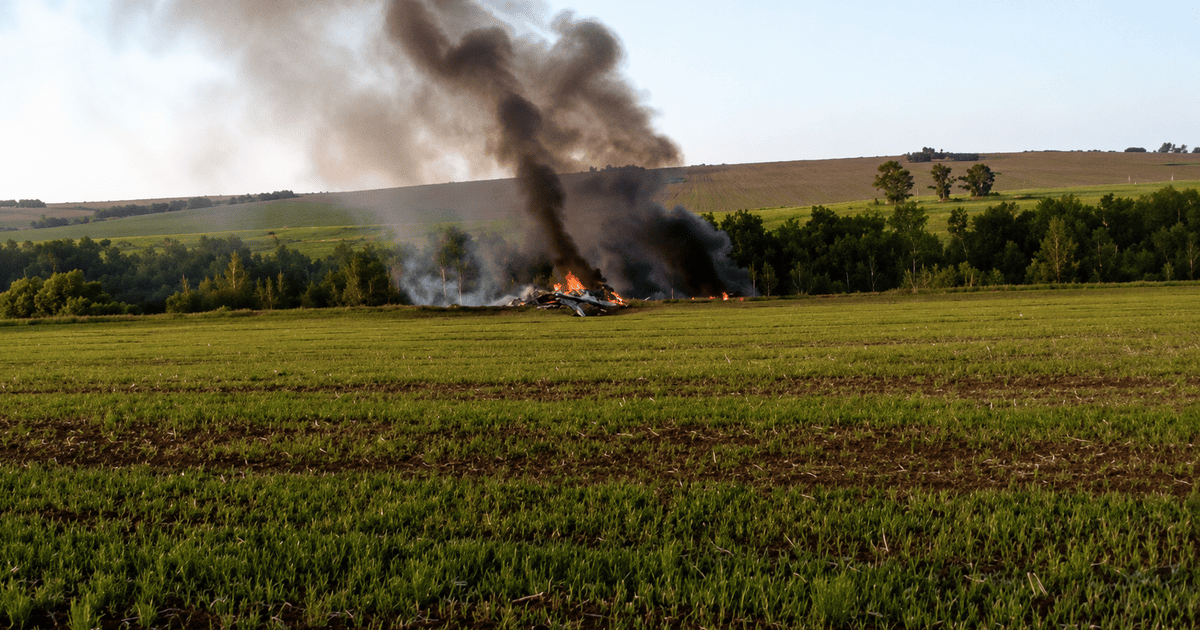
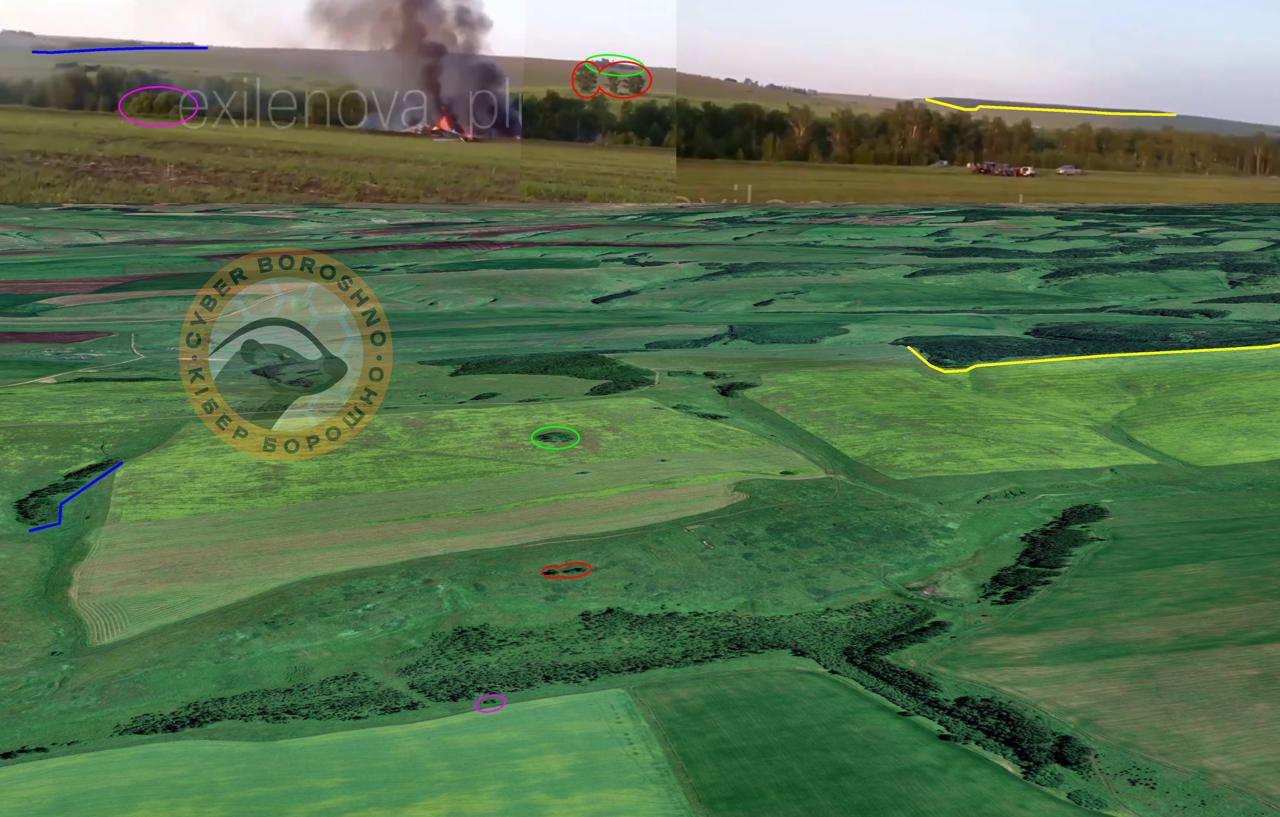

Some commentators immediately focused on the fact that the crew survived and called that the most important part of the story. Frankly, that misses the point entirely.
Russia operates 40 to 45 Tu-22M3 airframes, but a significant portion have either exhausted their service life or carry damage that keeps them grounded. Of the 25 to 30 that can actually fly, subtract yesterday’s. Here is how the enemy assessed the situation themselves:
A long-range Tu-22M3 bomber crashed during a training flight in the Irkutsk region… Does this need explanation — that such a loss is extremely painful for our aerospace forces? Unfortunately, we no longer produce aircraft of this type. Sources are not hiding it: some airframes have clearly already exhausted their service life. Active use during bombing of Ukraine is causing engine resources to be depleted faster than expected. Our sources are candid — building new Tu-22M3 aircraft is currently not possible. The exact number is not disclosed, but it is a matter of several dozen. If this trend continues, we may lose the ability to use these aircraft for the needs of the SMO.
The Triad Starts to Crack
As we can see, the enemy is now repeating almost word for word what Ukrainian and Western analysts have been saying for years. And that brings us back to something else. The enemy took enormous pride in its nuclear triad — the land, sea, and air-based systems designed to deliver nuclear weapons.
The land-based leg has not exactly inspired confidence lately. Russian missiles have developed a habit of exploding both in their silos and on test ranges. The surface fleet’s missile carriers are in even worse shape. Ukraine has already recycled a significant number of them and, more importantly, demonstrated the technology required to continue the recycling process. The enemy still has submarines, at least for now. Aviation, however, increasingly resembles something caught halfway between the fate of the Black Sea Fleet and the self-destruction of the intercontinental Sarmat program.
To put it another way, the clay giant is beginning to crumble not only under the blows of Ukraine’s Defense Forces but also under its own weight. If the Tu-22M3 fleet continues flying at the current pace, more crashes are only a matter of time. The turboprop Tu-95 enjoys a longer service life thanks to lower speeds and lower structural loads. Even so, we are eagerly awaiting the first reports of a Tu-95 falling out of the sky.
That will be the moment when everyone understands that the airborne leg of the enemy’s nuclear triad has started down the same path as that famous Russian warship.
Related posts:

April 16 Massive Strike: Russia Used S-400 Missiles as Ballistics
The April 16 massive strike came in two waves — a combined attack on Ukraine using multiple missile types and strike drones. Kyiv, Dnipro, Kharkiv, and Odesa all [...]
What the Enemy Says: Russian reactions to Ukrainian strikes
Last night’s events got their continuation in the form of russian reactions to Ukrainian strikes. Some episodes of this reaction were instant, and if they hadn’t been caught [...]